Your Fall Yard Cleanup Guide for Better Firewise Landscaping
Natural Designs • September 2, 2026
Fall brings cooler weather and falling leaves, making it a crucial time to address property maintenance. Natural Designs LLC helps homeowners execute a thorough fall yard cleanup for better firewise landscaping. Leaving dried vegetation and dead leaves sitting around your yard provides easily ignitable fuel for stray sparks. A proactive approach to property maintenance ensures your outdoor spaces remain safe and functional throughout the dry season and into winter.
Protecting your investment means establishing consistent habits that keep defensive buffer zones clear. We provide planting plan design and maintenance strategies that minimize your long term workload while maximizing safety. Walking your property now to clear out hazards reduces your risk significantly. Reviewing these exact steps will help you properly maintain the fire breaks around your home.
What We Cover:
- Clearing Dead Fuel Around Your Foundation
- Managing Trees and Large Shrubs
- When should I cut back dry brush for fire safety?
- Common Maintenance Mistakes That Undo Your Firewise Efforts
- Extending the Life of Your Hardscape Fire Breaks
- Securing Your Property This Fall
Clearing Dead Fuel Around Your Foundation
The most critical maintenance zone is the five foot perimeter immediately surrounding your siding and decking. Wind naturally blows dried leaves and pine needles right up against these structures.
- Debris Removal: Rake out all dead organic material from your flower beds directly next to the house.
- Gutter Cleaning: Scoop out dry pine needles from roof valleys and gutters to stop embers from catching fire near your eaves.
- Moisture Checks: Inspect your irrigation lines to ensure the living plants in this area receive adequate water before the ground freezes.
Managing Trees and Large Shrubs
Tall vegetation requires annual attention to prevent fuel ladders from forming near your roofline. Heavy winds often break dead branches, dropping them onto your house or creating messy piles of kindling in your yard. Regular pruning keeps the canopy healthy and creates necessary vertical spacing.
- Canopy Lifting: Trim away the lowest branches of large trees to keep them at least six feet off the ground.
- Shrub Thinning: Cut out dead interior wood from dense shrubs to improve airflow and reduce trapped dry material.
- Roof Clearance: Cut back any limbs that hang over your roofline to prevent them from dropping dry debris directly onto your shingles.
When should I cut back dry brush for fire safety?
You should cut back dry brush in late summer or early fall before high winds arrive and dead vegetation becomes entirely brittle. Trimming during this window removes the highest risk fuel load while the ground is still stable. Waiting until late winter leaves your property exposed to late season fire threats when local humidity levels are at their absolute lowest.
Focusing on these functional maintenance details is a pattern the team at Natural Designs LLC hears regularly.
► Client Experience: Matt was awesome to work with from start to finish. He created a beautiful landscape design for our home and thoughtfully planned it so we could complete the project in phases, which we really appreciated. He was extremely thorough and truly listened to our needs everything from ease of maintenance, to plants that bloom at different points in the year, to the overall aesthetic we were hoping for. He even addressed a challenging portion of our lawn with drainage issues and incorporated a beautiful, water-friendly component into the design that turned a problem area into a feature. The work has absolutely transformed our home, and Matt will definitely be our go-to for any future landscape projects. - Columba Jones
Properly planning your landscape phases from the beginning makes seasonal cleanup and fuel reduction much more manageable.
Common Maintenance Mistakes That Undo Your Firewise Efforts
Homeowners in Bingen, Washington often put in hard work during spring but neglect vital fall habits. Small oversights easily ruin the effectiveness of a well planned firewise landscape.
- Stacking Firewood Poorly: Piling your winter firewood directly against the house creates a massive, concentrated fuel source right next to your siding.
- Ignoring Wood Mulch: Forgetting to replace old bark dust with fresh gravel allows the degraded wood to dry out into highly flammable tinder.
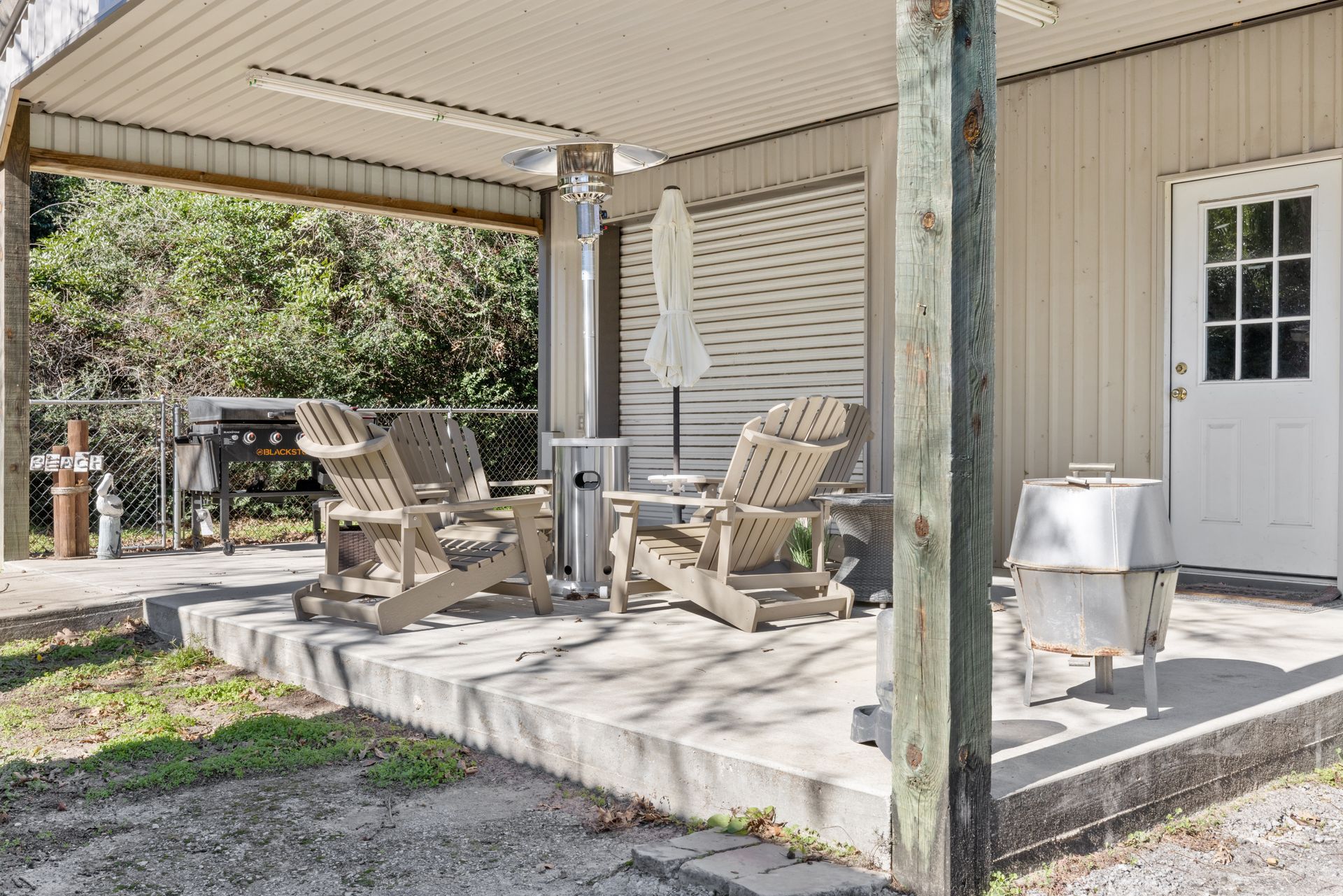
- Leaving Yard Waste: Bagging dead leaves and leaving the bags sitting on your patio introduces a temporary fire hazard that is easily ignited.
Extending the Life of Your Hardscape Fire Breaks
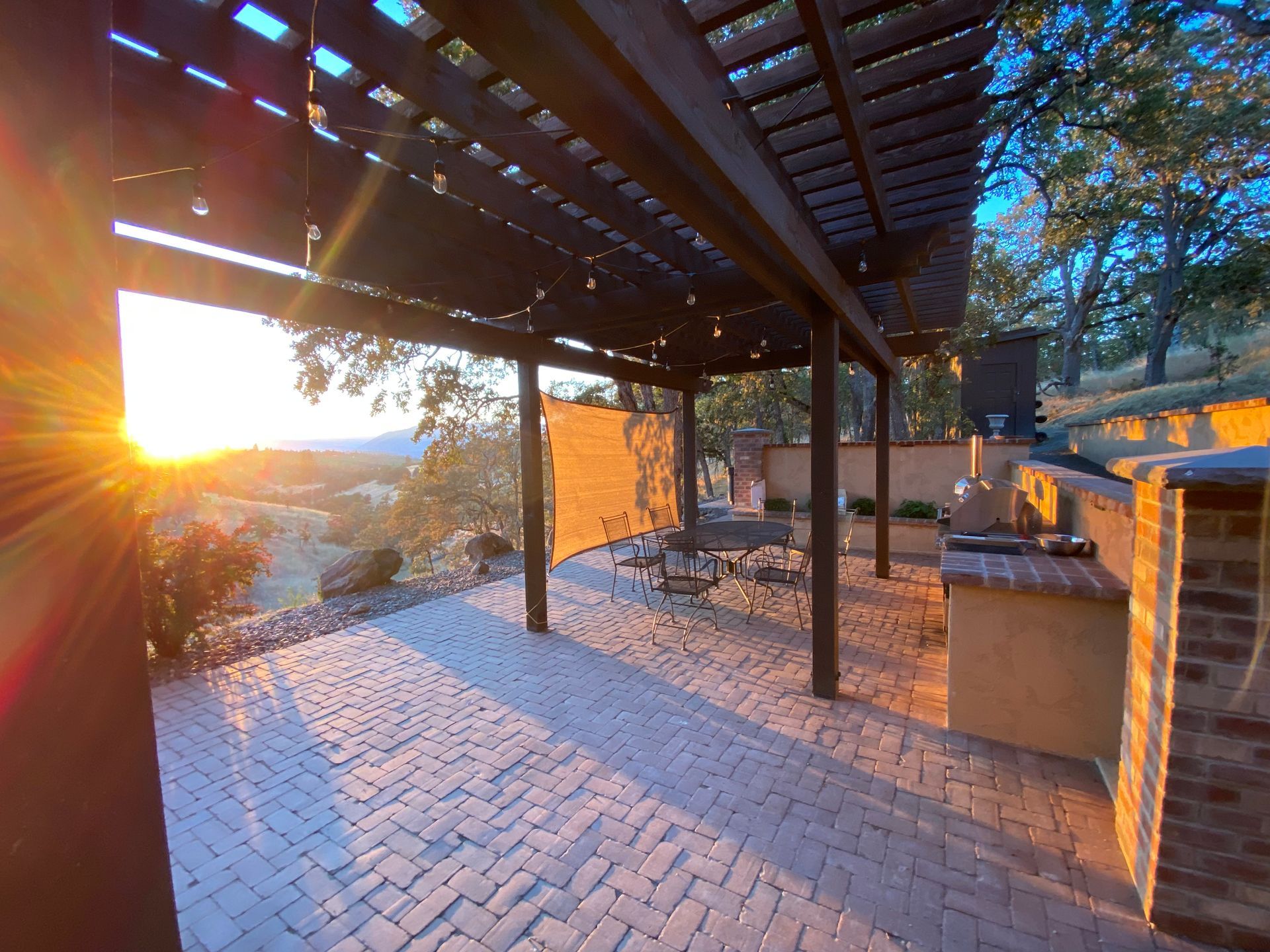
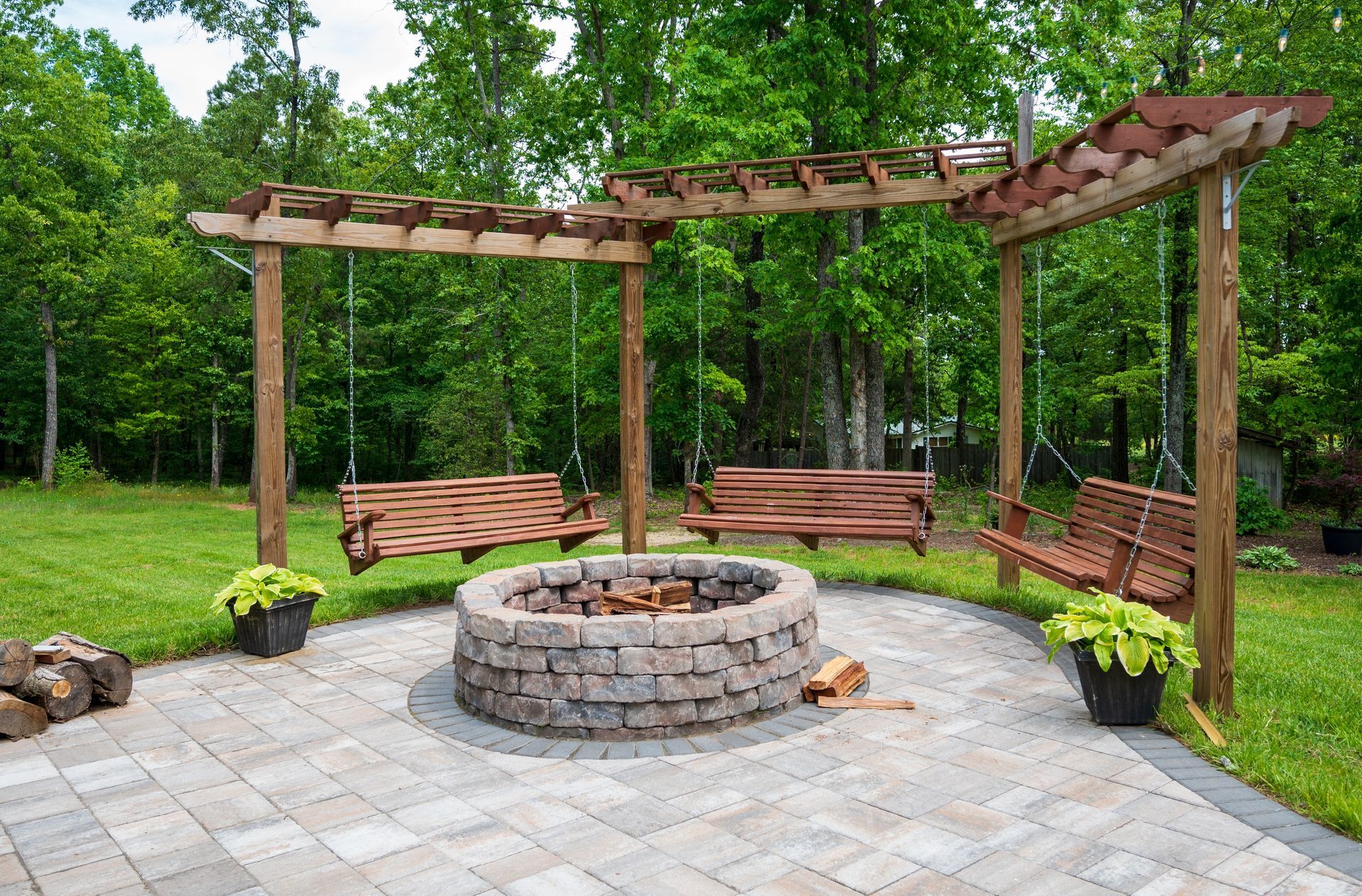
Hardscapes serve as permanent fire breaks, but they need regular care to function properly. Dirt and weeds easily build up in the cracks between stones, introducing small amounts of combustible material into safe zones.
- Weed Eradication: Pull weeds growing through patio joints so they do not dry out and create a path for small fires to creep across the stone.
- Surface Sweeping: Sweep concrete and paver patios regularly to keep dry pine needles from accumulating in corners.
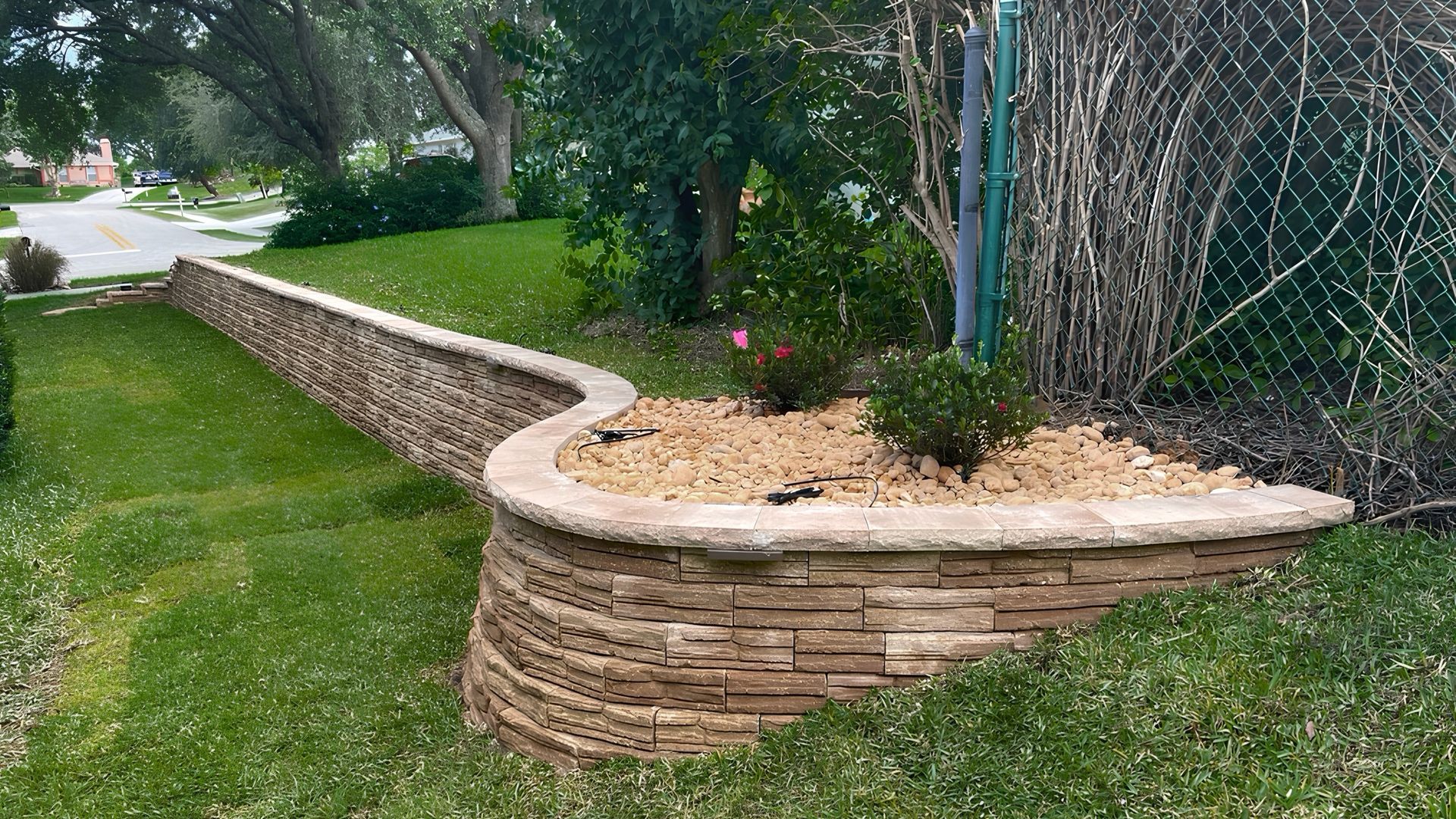
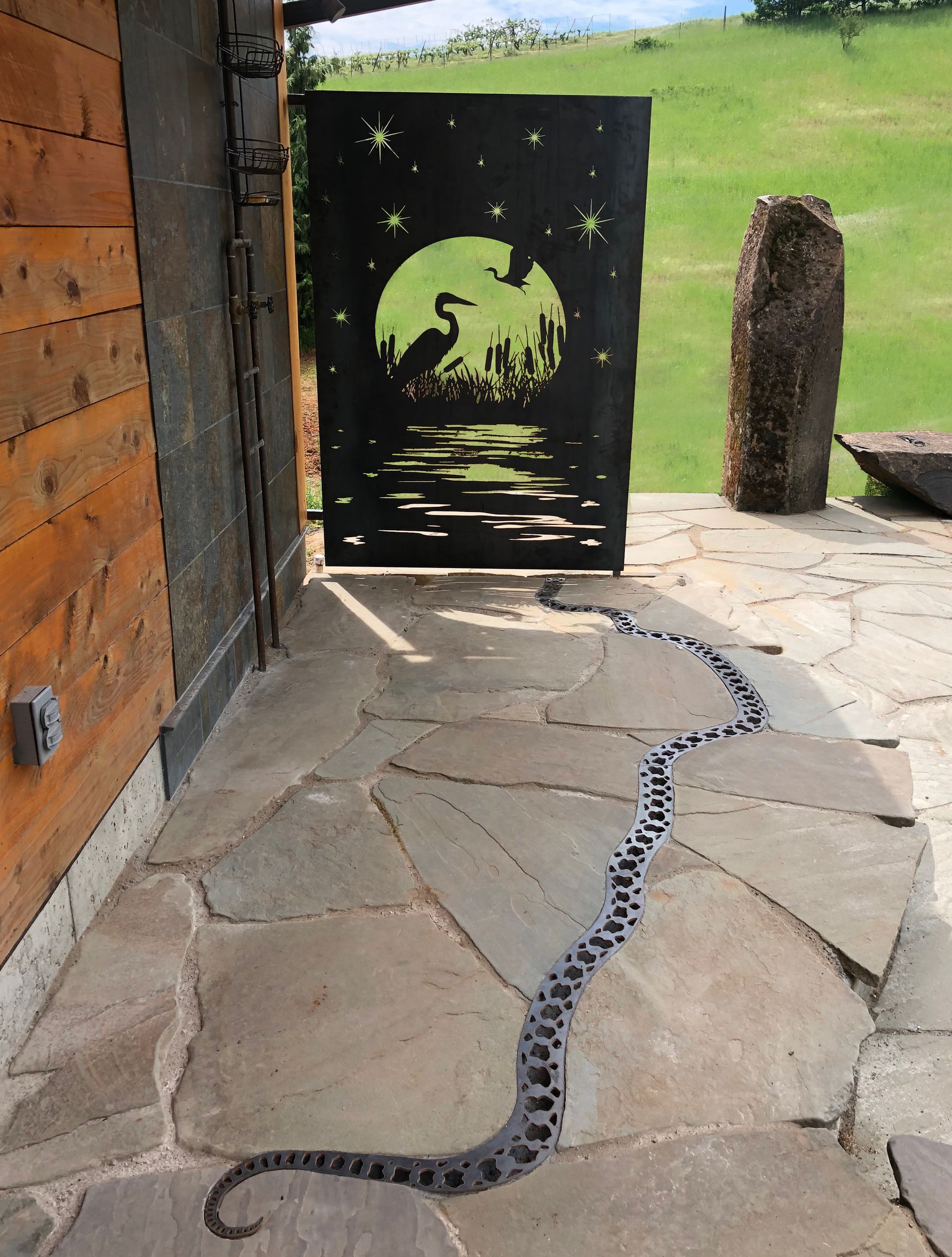
- Drainage Clearing: Flush out trench drains and catch basins near your retaining walls to prevent winter rain from washing dirt over your hardscape fire breaks.
► The single most important maintenance fact to remember is that a defensible space is only effective if it is kept completely free of dry, dead vegetation year round.
Securing Your Property This Fall
Routine maintenance is the best defense against seasonal property hazards. By cleaning out dead fuel and managing your vegetation, you actively protect your home from fast moving fires. Walk your yard this weekend to knock out these essential cleanup tasks.
Contact us to schedule a consultation if you need help upgrading your landscape defenses.
Share This Blog