What to Know Before Planning an Outdoor Kitchen in the Gorge
Natural Designs • August 19, 2026
Building a custom cooking area in your backyard requires careful planning to ensure the space is functional, safe, and built to last. Natural Designs LLC guides homeowners through the complex process of outdoor kitchen design, helping them avoid costly mistakes. A successful project starts long before the first appliance is ordered. You have to consider how the layout interacts with your existing yard and the specific demands of your local climate.
Many people rush into selecting grills and countertops without establishing a solid foundation for utilities and layout. Knowing what to prepare and which questions to ask a contractor will save you time and frustration down the road. We want you to feel confident making decisions about materials, placement, and the professionals you hire. Reviewing these essential details beforehand guarantees a smooth construction process and a better final result.
In This Article:
- Evaluating Site Conditions and Utility Needs
- Selecting Durable Countertops and Cabinetry
- Red Flags to Watch for When Choosing a Builder
- Questions to Ask Your Contractor Before Booking
- Starting Your Kitchen Project Right
Evaluating Site Conditions and Utility Needs
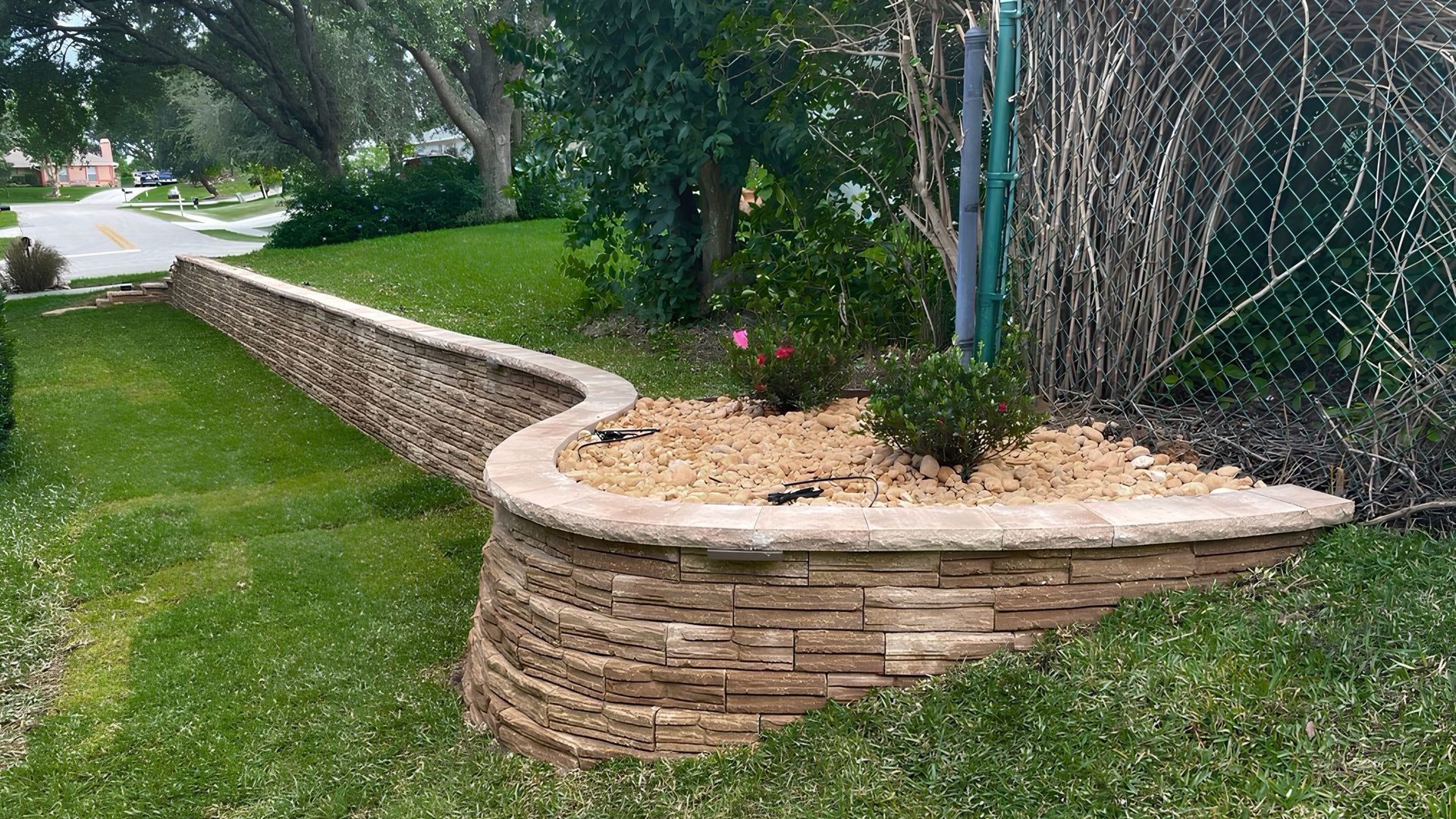
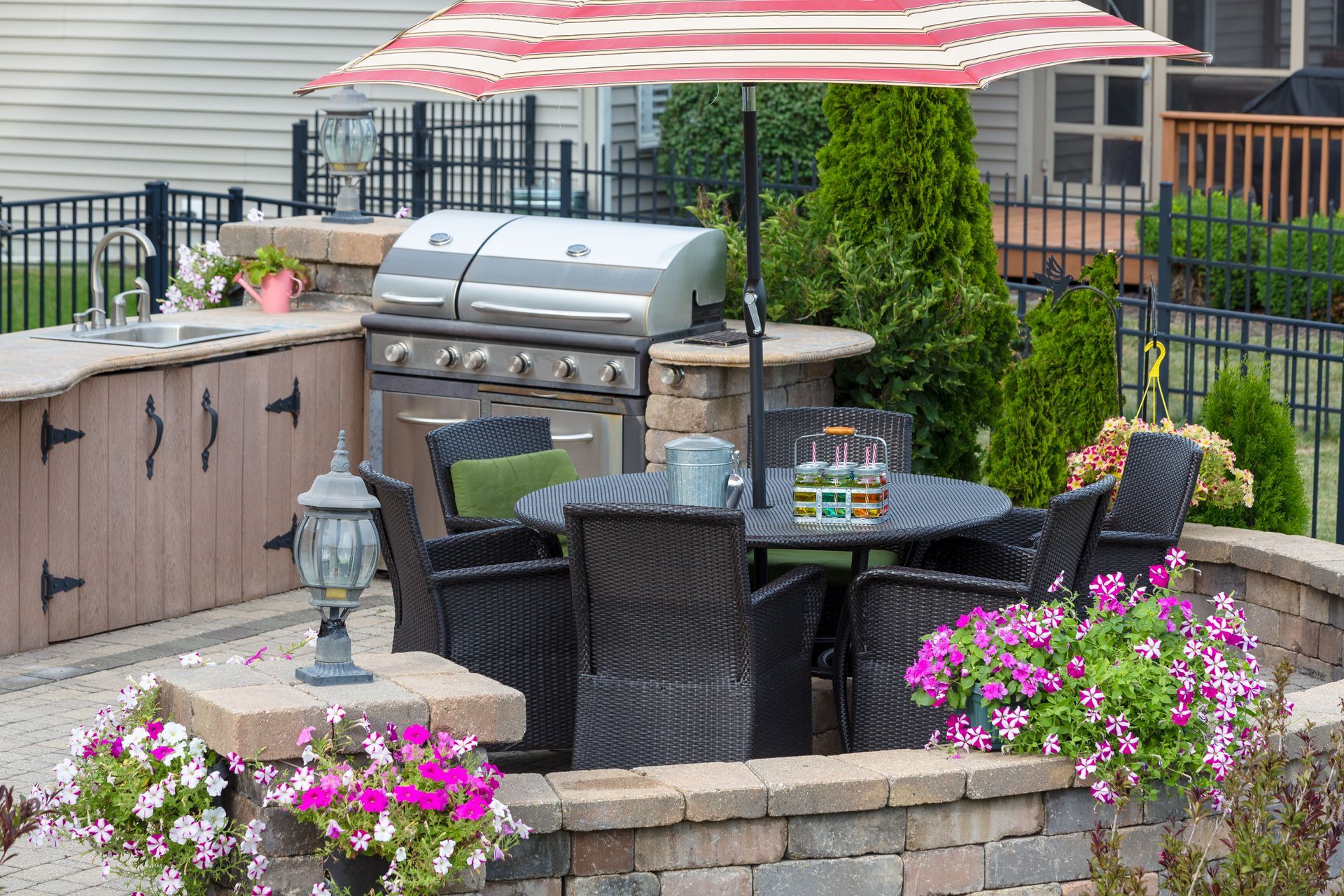
The location of your outdoor kitchen dictates the scope of the entire project. You need a spot that offers a solid footing, good drainage, and manageable access to your home utilities. Running new gas, water, and electrical lines across a large yard significantly increases costs and construction time. In Trout Lake, Washington, we often incorporate landscape design solutions like retaining walls to level uneven ground before beginning the kitchen build.
- Proximity to the House: Keep the outdoor kitchen close enough to indoor amenities to make transporting food and dishes easy.
- Wind and Sun Exposure: Note the prevailing wind direction to ensure grill smoke blows away from your seating areas.
- Utility Trenching: Plan utility routes early so you do not have to dig up existing patios or mature garden beds later.
Selecting Durable Countertops and Cabinetry
Indoor materials will quickly degrade when exposed to freezing temperatures, heavy rain, and UV rays. Choosing the right surfaces ensures your kitchen looks great and remains structurally sound for years. You must select products specifically engineered for exterior use.
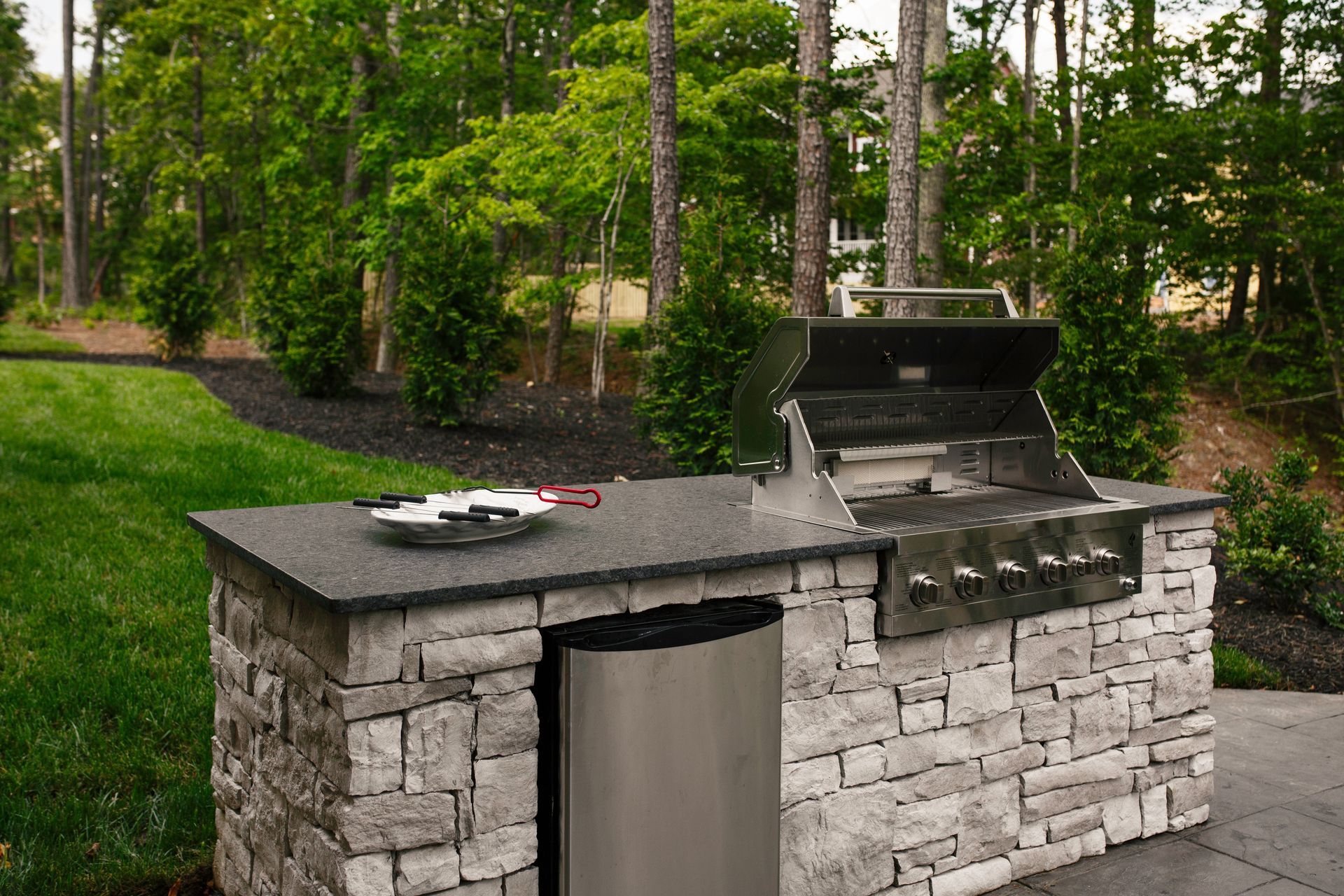
- Granite Countertops: Opt for dense natural stones like granite that resist scratching and do not fade in the sun.
- Avoid Porous Tile: Skip standard ceramic tiles with heavy grout lines, as moisture will penetrate and crack the surface during winter freezes.
What is the best material for outdoor kitchen cabinets?
The best material for outdoor kitchen cabinets is 304 grade stainless steel. It is highly resistant to rust, easy to sanitize, and handles extreme temperature fluctuations without warping. While marine grade polymer is another viable option, stainless steel remains the industry standard for durability and long term structural integrity in outdoor cooking spaces.
Red Flags to Watch for When Choosing a Builder
Not every contractor has the specialized knowledge required to safely build an outdoor kitchen. Paying attention to how a builder approaches the planning phase tells you a lot about their expertise. Be cautious of professionals who try to skip crucial safety and structural steps.
- Ignoring Ventilation: If a builder plans to install a gas grill into a stone or masonry island without discussing venting panels, walk away immediately.
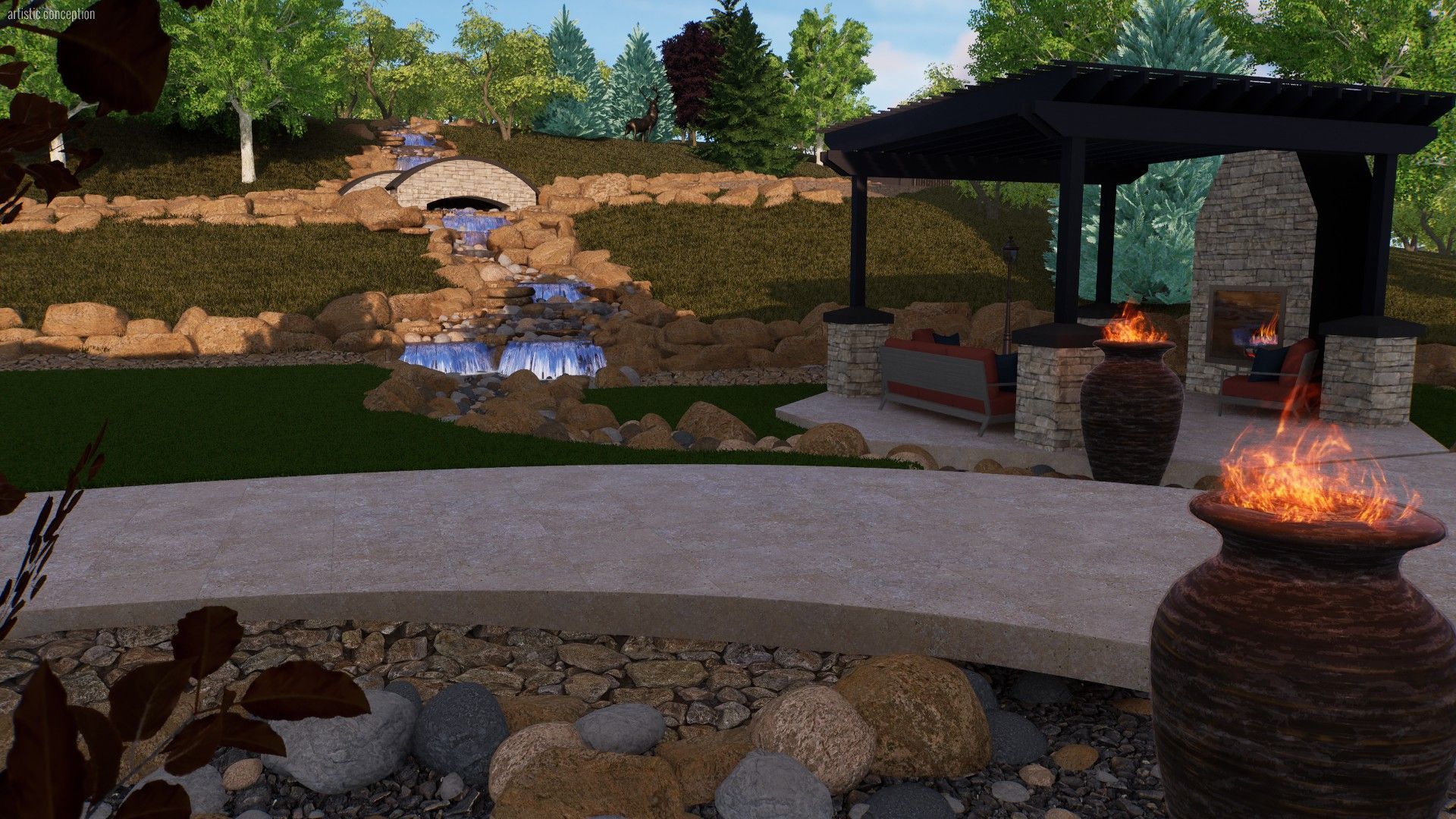
- Lack of 3D Renderings: A contractor who refuses to provide visual mockups often lacks a clear plan, leading to layout errors during construction.
- Vague Material Specs: Be wary of quotes that list generic terms like stone or metal without specifying the exact grade and manufacturer.
Questions to Ask Your Contractor Before Booking
Interviewing your builder is a critical step in the planning process. Asking direct questions helps you gauge their experience with specific outdoor requirements. A reliable contractor will be happy to explain their methods and outline their expectations for the project.
- Permitting Process: Ask who is responsible for pulling the necessary permits for the gas and electrical work.
- Winterization Steps: Inquire about how the plumbing will be set up to allow for easy draining before freezing temperatures hit.
- Subcontractor Use: Find out if they handle the masonry and utility connections in house or if they hire outside crews for specialized tasks.
Starting Your Kitchen Project Right
Proper planning is the difference between a frustrating construction site and a brilliant new gathering space. By evaluating your site and asking the right questions, you set your project up for success from day one. Take the time to finalize your layout and material choices before ground is broken.
Schedule a consultation to discuss your outdoor cooking vision with us today.
Share This Blog