4 Proven Ways to Defend Your Property During August Fire Season
Natural Designs • August 11, 2026
August brings some of the driest conditions of the year, making it a critical time to evaluate the fire risks around your property. Natural Designs LLC works with homeowners to build defensive strategies directly into their landscape design. Dry brush, dead branches, and highly combustible materials can turn a small spark into a massive threat very quickly. Taking proactive steps now helps protect your home from the fast moving dangers of fire season.
Firewise landscaping tactics do not mean paving over your entire yard or cutting down every tree. It is about strategic placement, smart material choices, and regular maintenance to reduce the fuel load near your structures. You can maintain a beautiful outdoor space while creating a strong buffer zone against potential embers. Implementing a few proven methods significantly lowers your risk during the hottest part of the year.
What We Cover:
- Tip #1: Establish a Clear Defensible Space
- Tip #2: Swap Highly Flammable Ground Covers
- Tip #3: Prune Tree Canopies for Vertical Separation
- Tip #4: Incorporate Hardscape Fire Breaks
- Frequently Asked Questions
- Securing Your Property This Season
Tip #1: Establish a Clear Defensible Space
The area immediately surrounding your home is the most vulnerable zone during a fire. This space requires strict attention to keep flames from coming into direct contact with your siding or decking. Clearing out dead vegetation creates a gap that forces a fire to drop to the ground where it is easier to control.
- Zone Zero Clearing: Remove all dead plants, leaves, and pine needles within five feet of your foundation and roofline.
- Gutter Maintenance: Clean dry debris out of your gutters regularly because flying embers often land and ignite there.
- Plant Spacing: Ensure that any living plants near the house are well watered and spaced far apart to prevent a continuous path for flames.
Tip #2: Swap Highly Flammable Ground Covers
Many popular landscaping materials act like kindling when conditions get dry. In the Greater Portland Area, Oregon, we frequently see homes surrounded by combustible bark dust piled right against the siding. Replacing these materials with fire resistant alternatives is one of the most effective ways to defend your property.
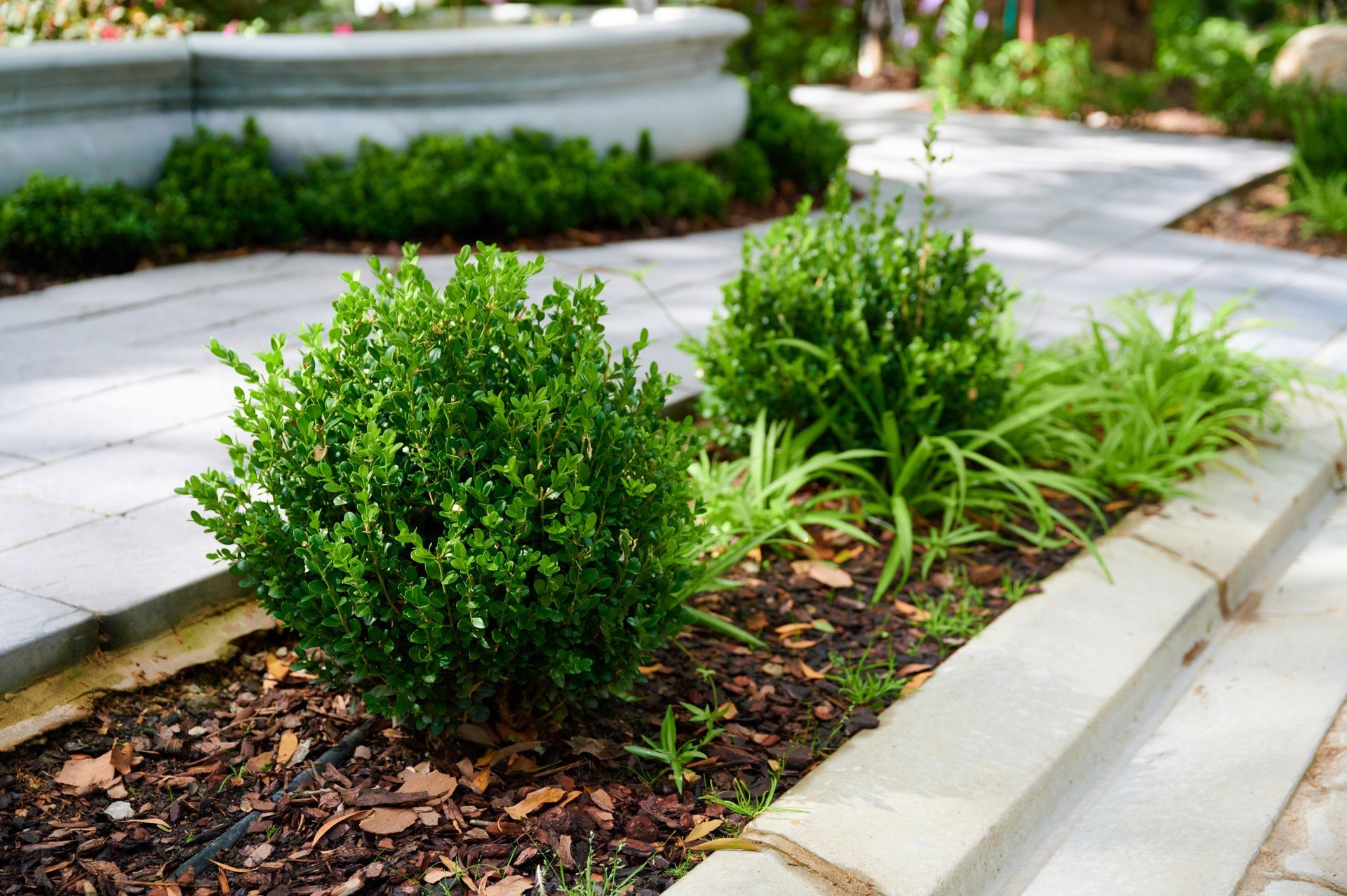
- Rock Mulch Alternatives: Use river rock, gravel, or crushed stone in garden beds directly adjacent to your home.
- High Moisture Plants: Choose succulents or high moisture ground covers that naturally resist ignition.
- Avoid Rubber Mulch: Never use shredded rubber mulch near structures because it burns extremely hot and is difficult to extinguish once lit.
Tip #3: Prune Tree Canopies for Vertical Separation
Fires easily climb from low brush into the lower branches of trees, creating dangerous crown fires that spread rapidly. Trade professionals refer to this path as a fuel ladder. Disrupting this ladder by managing the vertical space between your plants keeps flames low and manageable.
- Branch Clearance: Trim all tree branches so they are at least six to ten feet off the ground.
- Roof Buffer: Cut back any tree limbs that hang over your roof or come within ten feet of your chimney.
- Shrub Placement: Avoid planting large, dense shrubs directly underneath the canopy of mature trees.
Tip #4: Incorporate Hardscape Fire Breaks
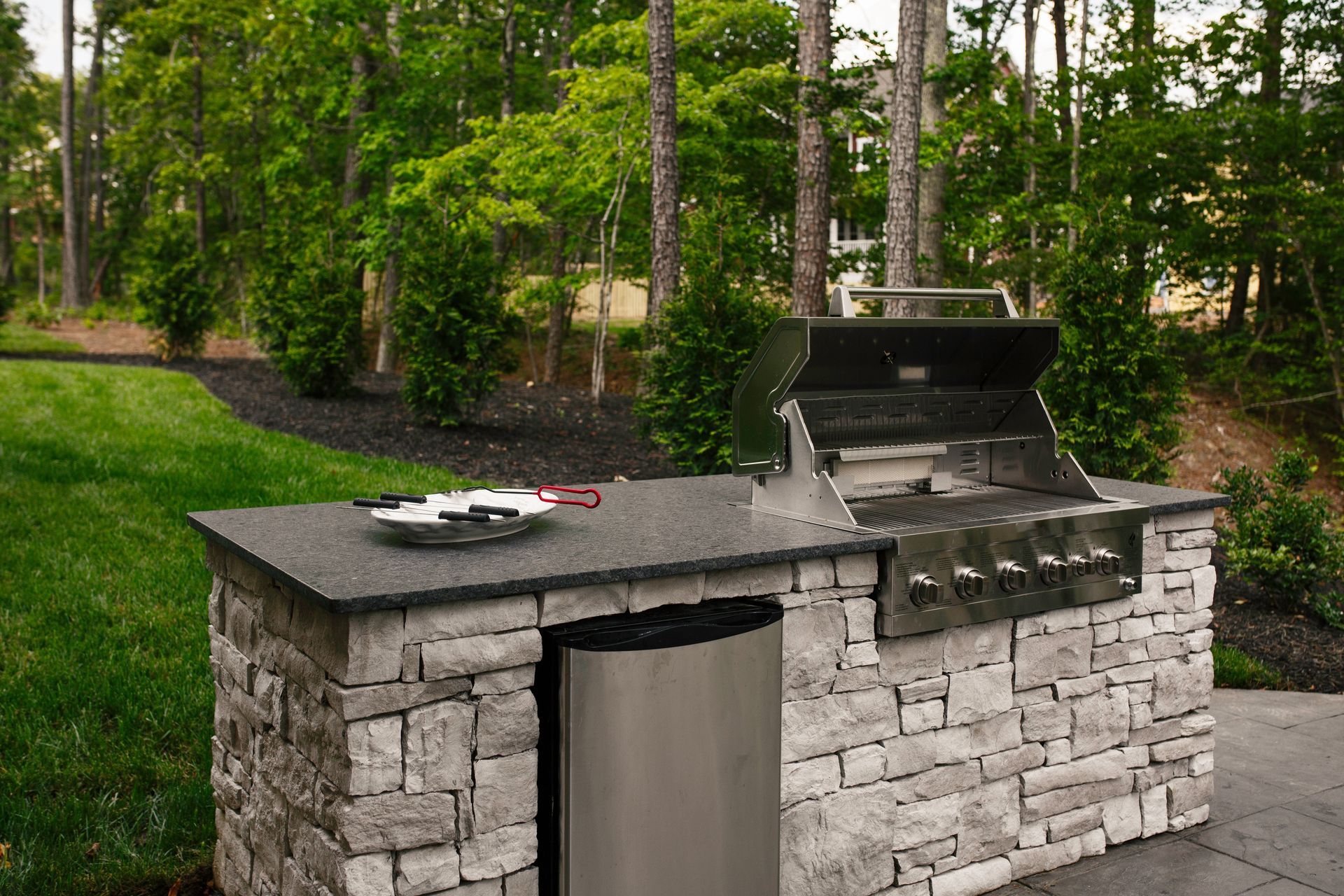
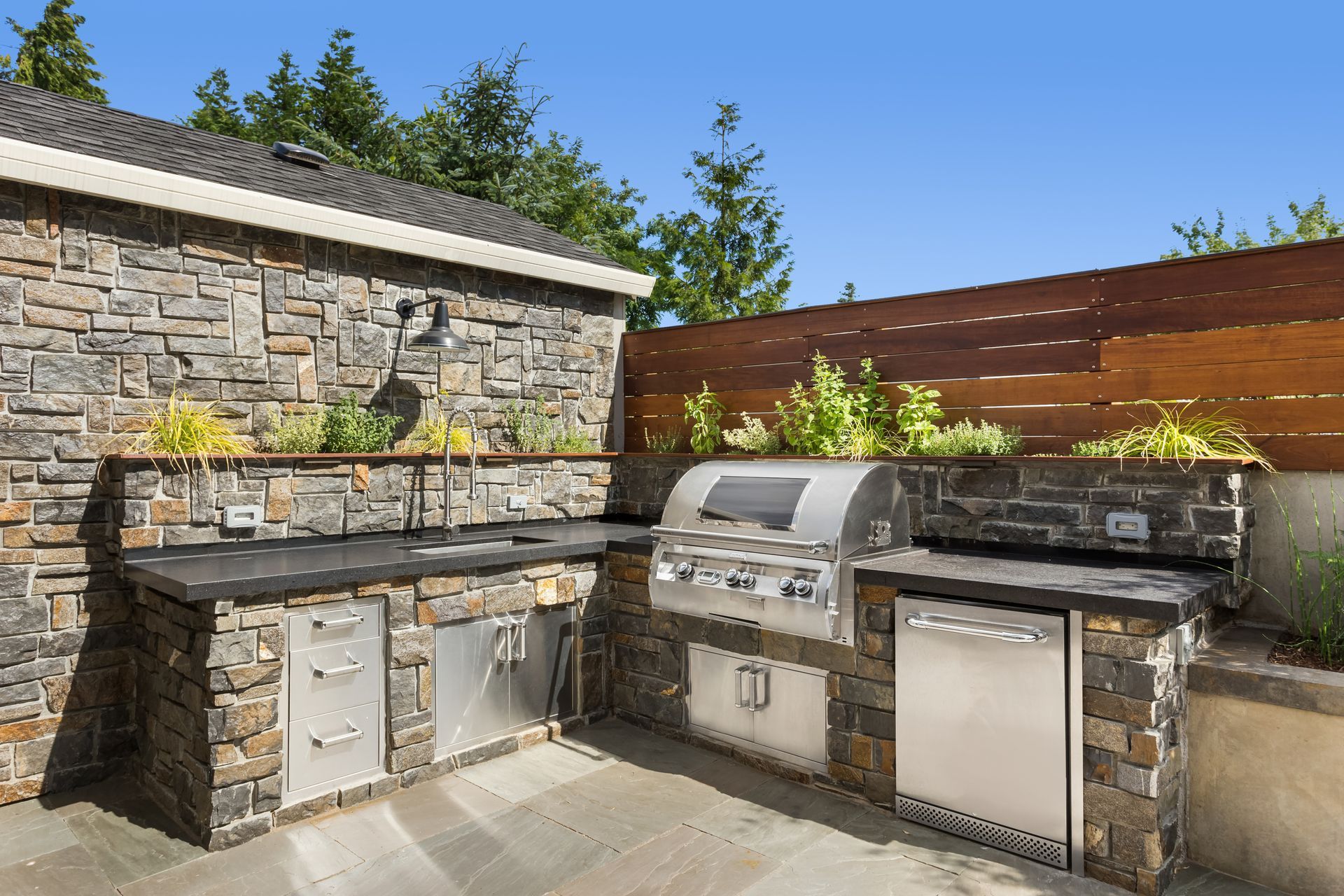
Hardscape design naturally breaks up continuous stretches of vegetation and starves a fire of fuel. Concrete, stone, and brick act as physical barriers that slow the spread of flames across your yard. Integrating these elements improves both the safety and usability of your property.
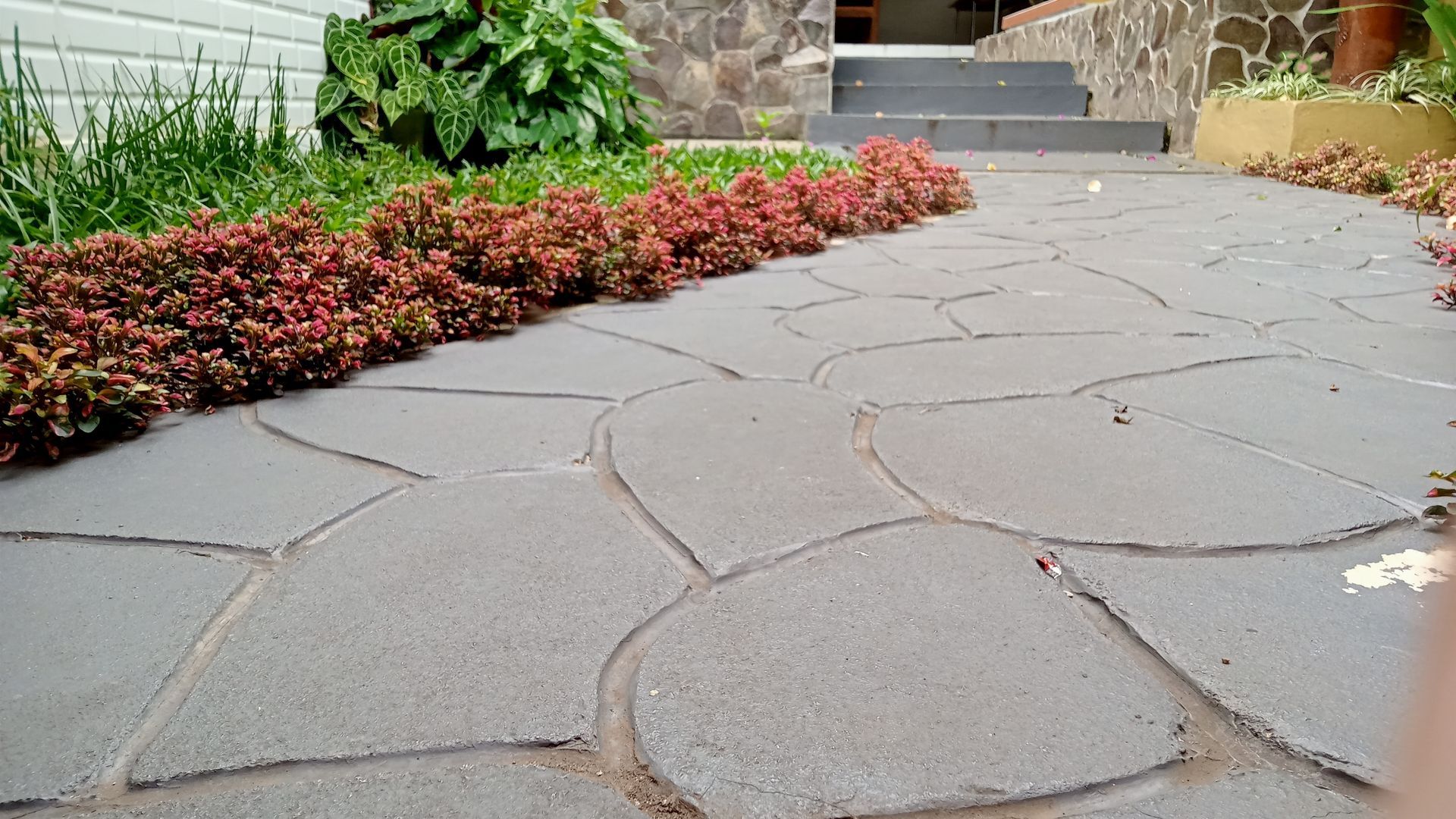
- Stone Pathways: Build wide flagstone or concrete walkways to separate garden beds from your lawn.
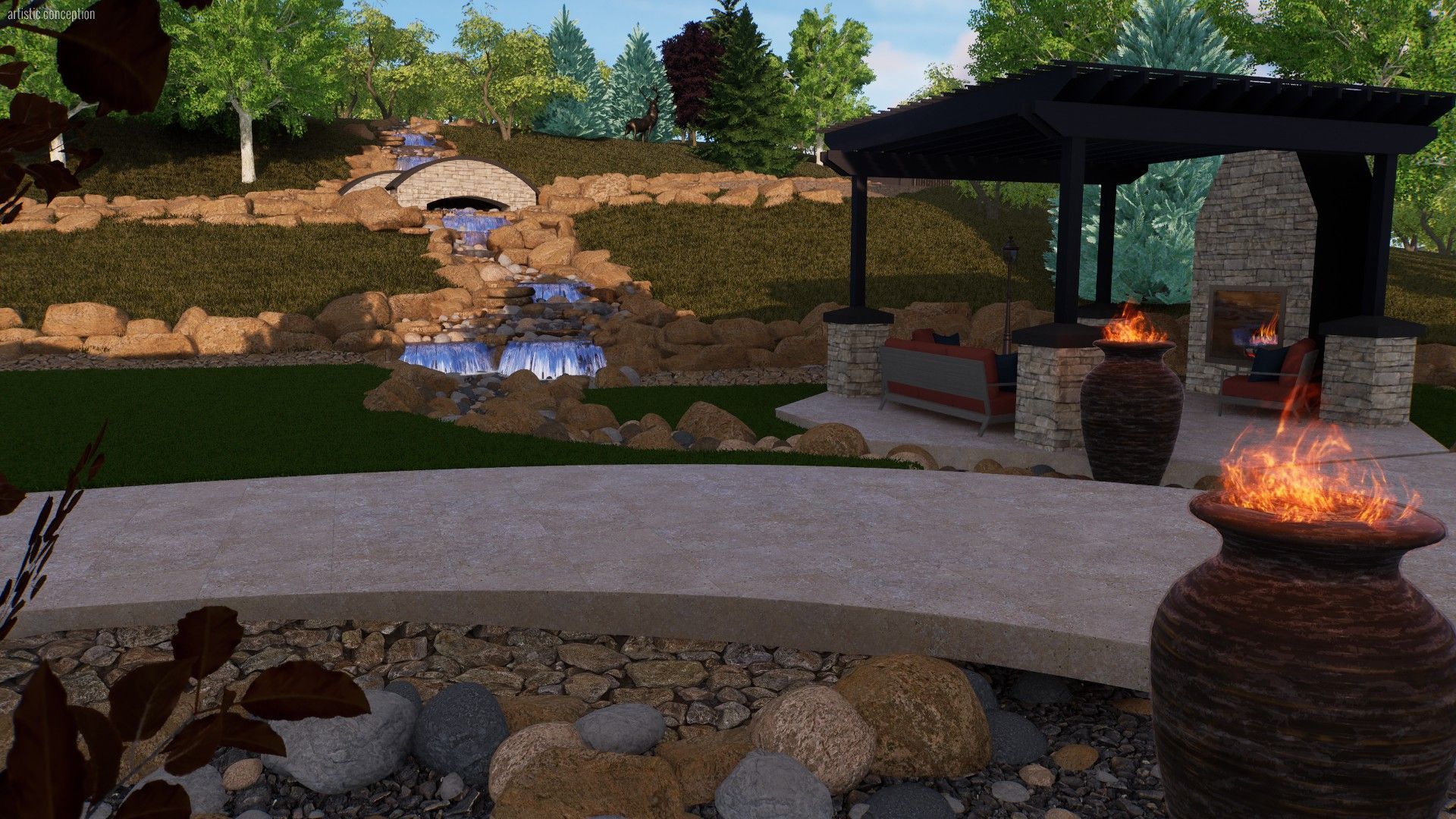
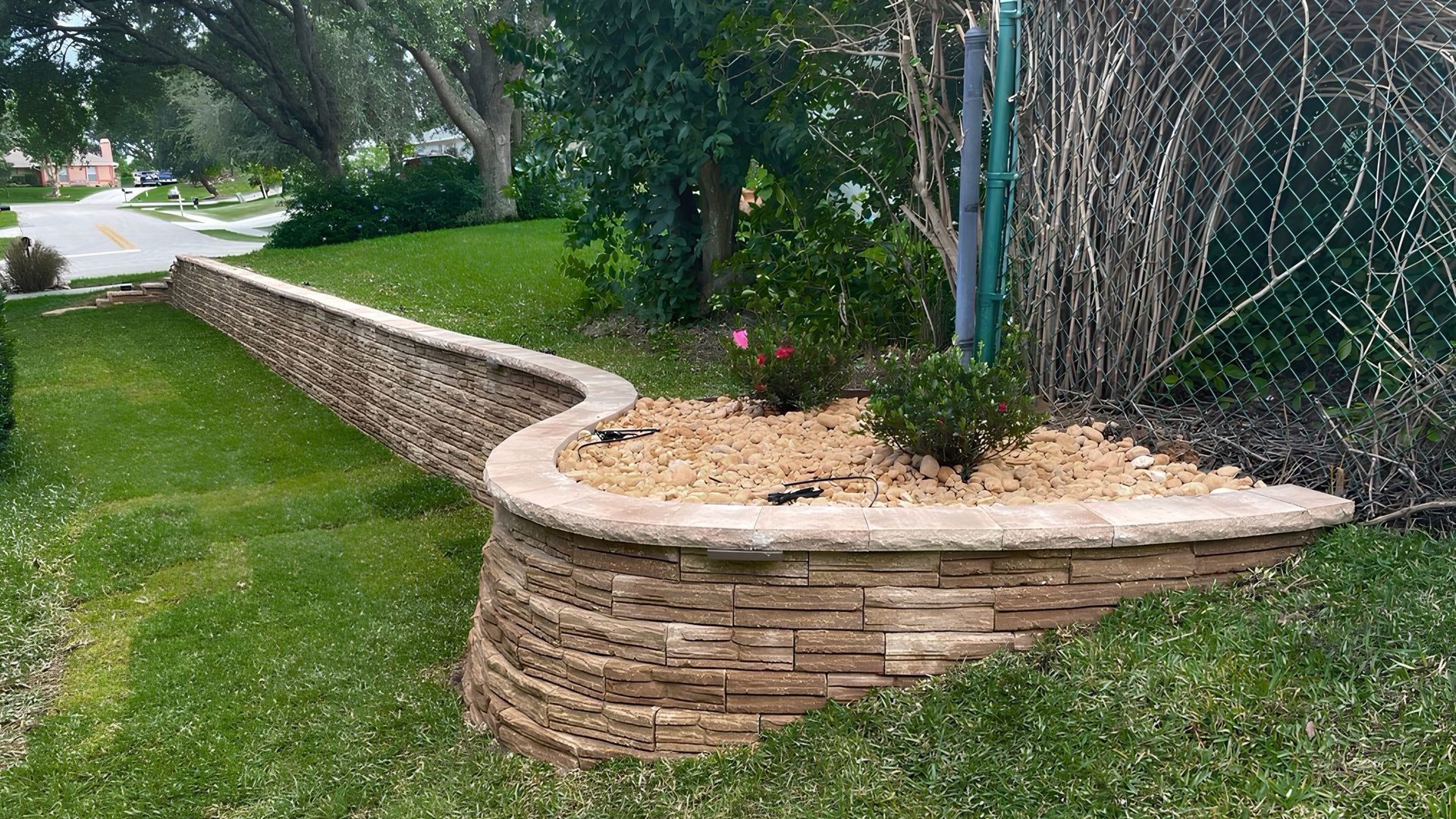
- Retaining Walls: Use stone or concrete block retaining walls to terrace sloped yards and block advancing fires.
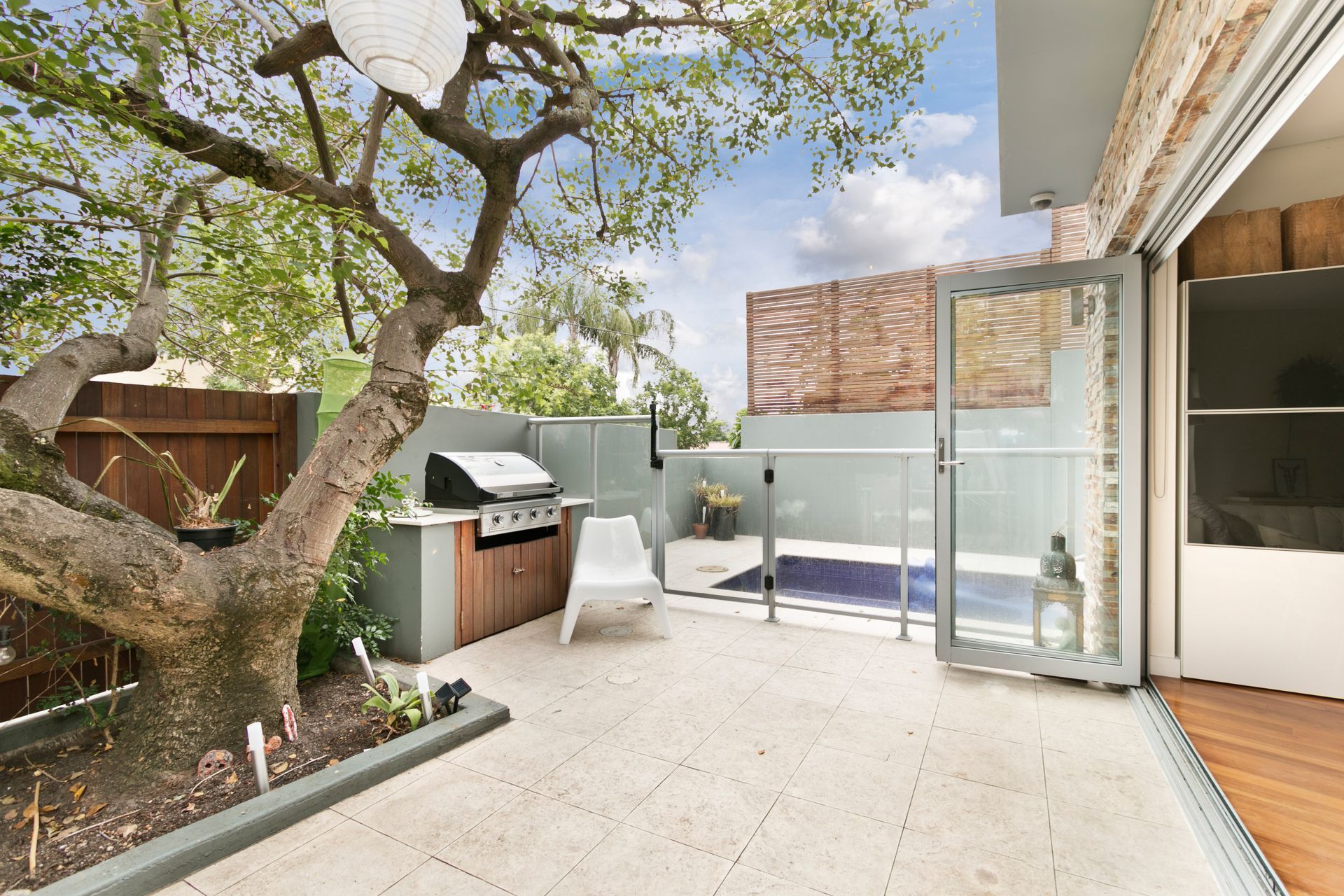
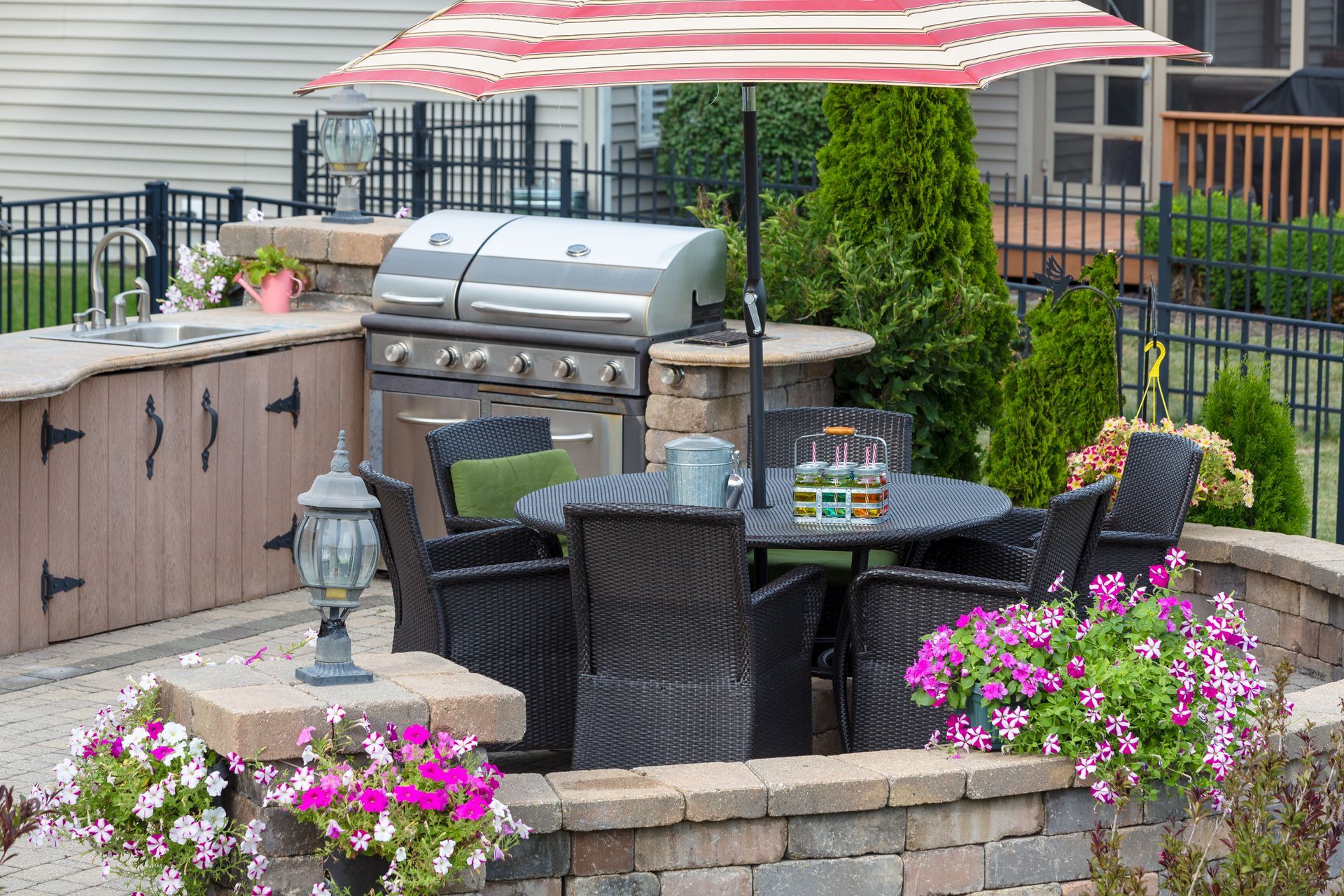
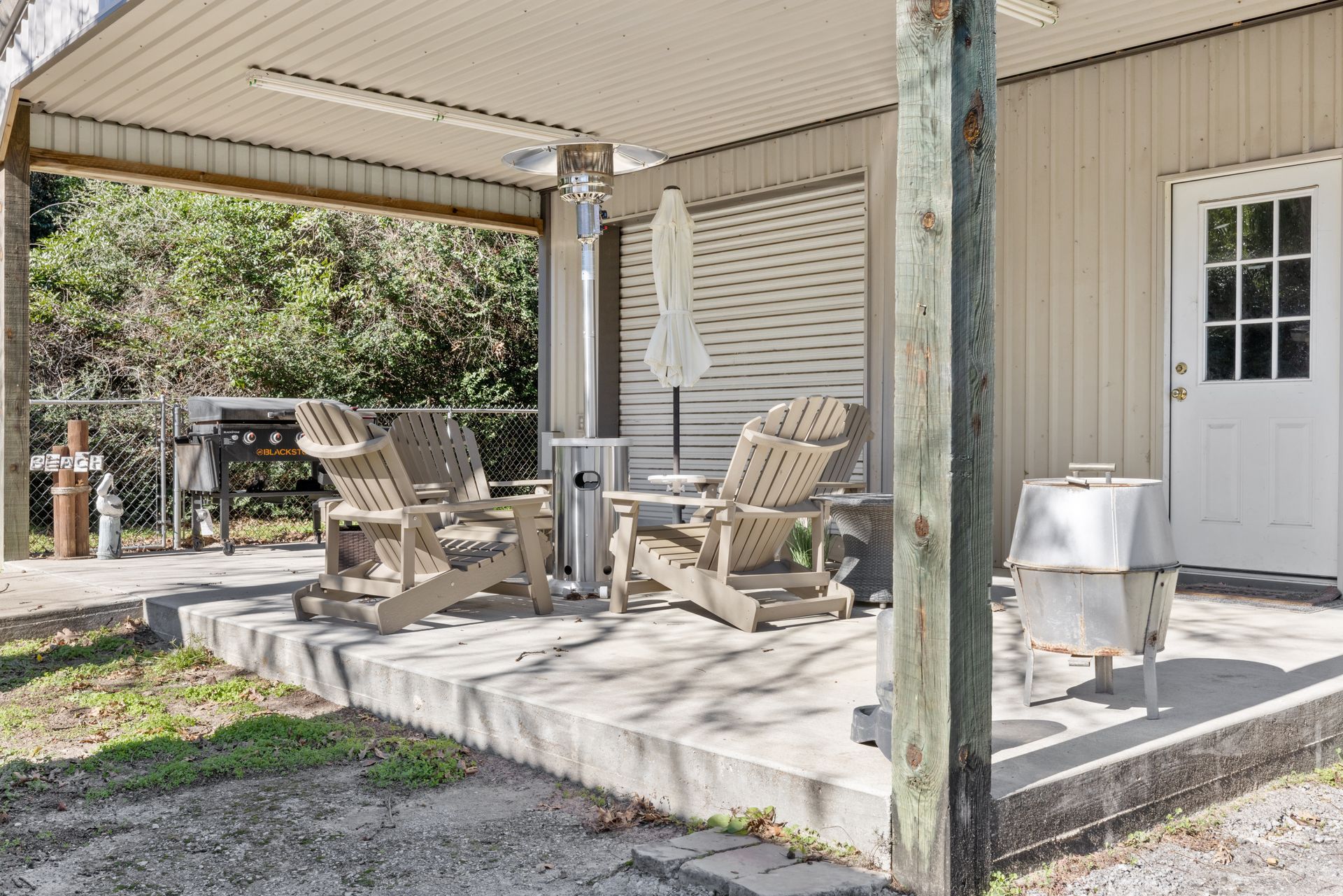
- Non-Combustible Patios: Design seating areas using pavers rather than wooden decks to reduce the amount of flammable material in your yard.
Frequently Asked Questions
What is a defensible space around a house?
A defensible space is a carefully managed buffer area between a building and the grass, trees, or shrubs that surround it. This zone is designed to slow or stop the spread of wildfire while providing a safe area for firefighters to work. Maintaining this space involves removing dead fuel, spacing out plants, and utilizing hardscape features.
How far should plants be from my house?
Highly flammable plants should be kept at least thirty feet away from your home. Within the first five feet of your foundation, it is best to use non-combustible materials like gravel and strictly limit vegetation. Any plants kept close to the house must be high moisture varieties that are heavily pruned and regularly watered.
Are cedar chips a fire hazard?
Cedar chips and other wood based mulches are significant fire hazards, especially during dry months. They easily catch fire from flying embers and can smolder unnoticed for hours before igniting nearby structures. Trade experts strongly recommend replacing wood mulch with stone or gravel in any areas close to your home.
Securing Your Property This Season
Taking action before a threat arrives is the key to effective property defense. By establishing defensible zones and making smart material choices, you greatly reduce your vulnerability to seasonal fires. Protect your home by making these essential landscape adjustments right now.
Contact us to schedule an assessment of your property today.
Share This Blog