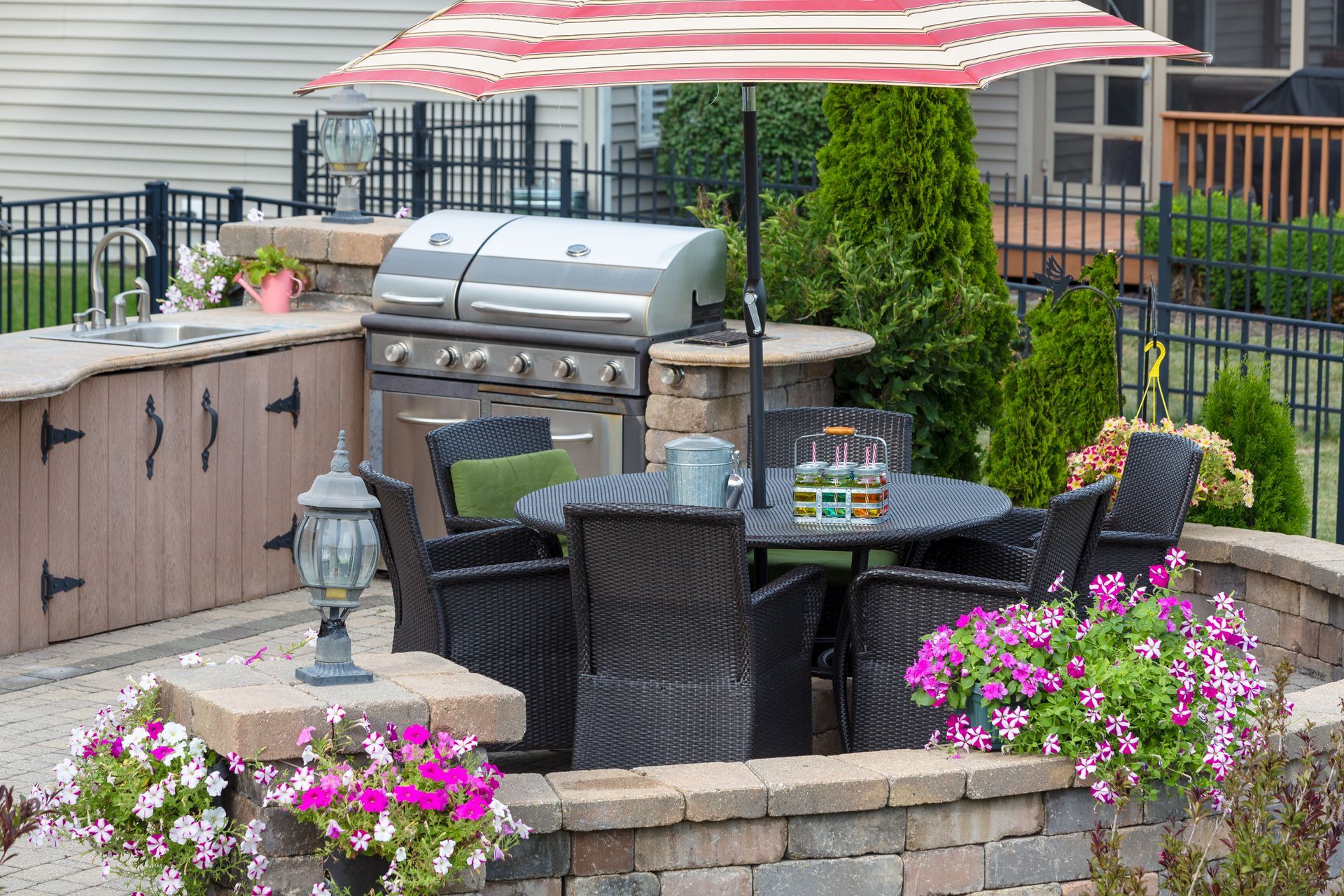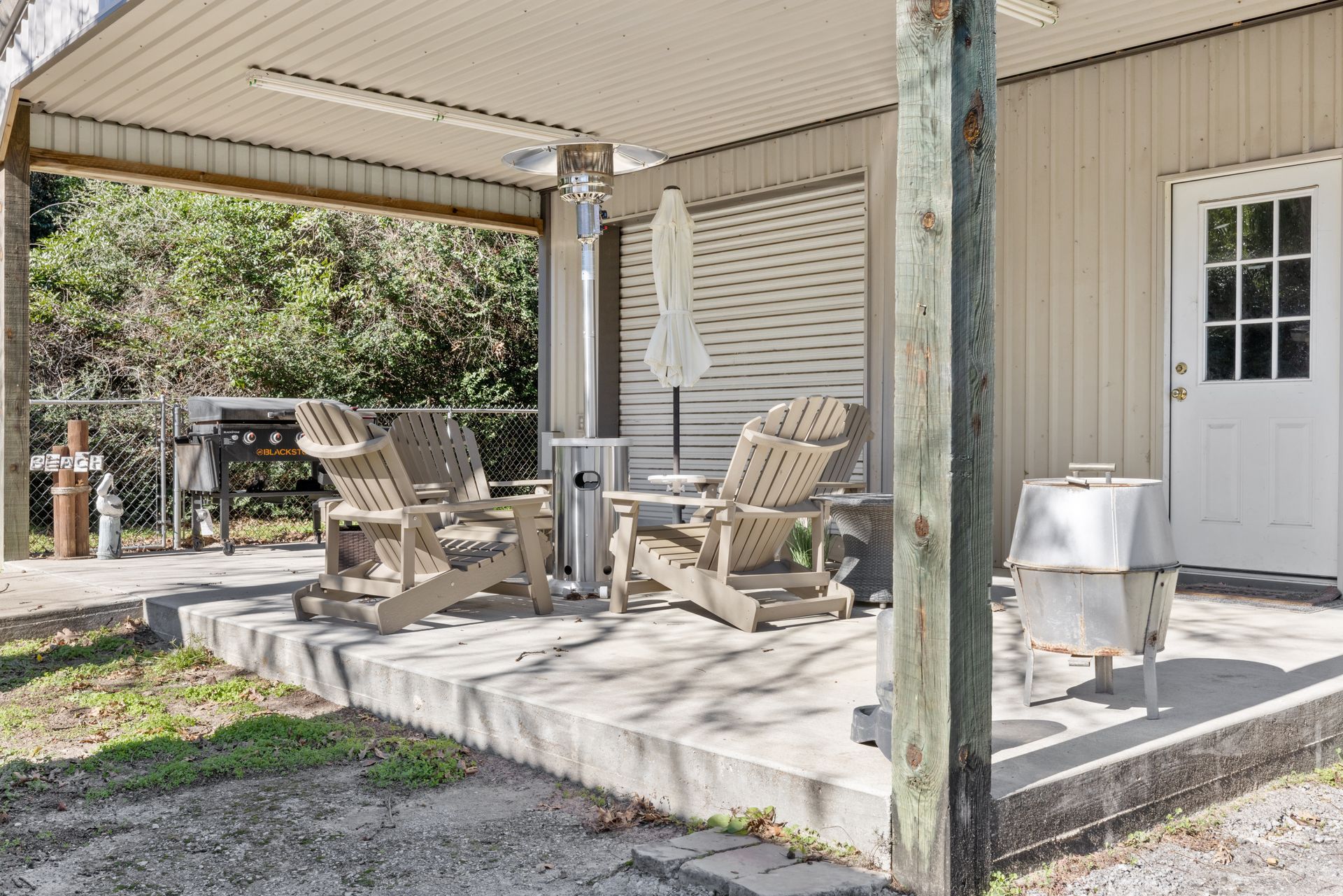
Planning an Outdoor Kitchen Built for Deep Frying Your Turkey
Natural Designs • October 6, 2026
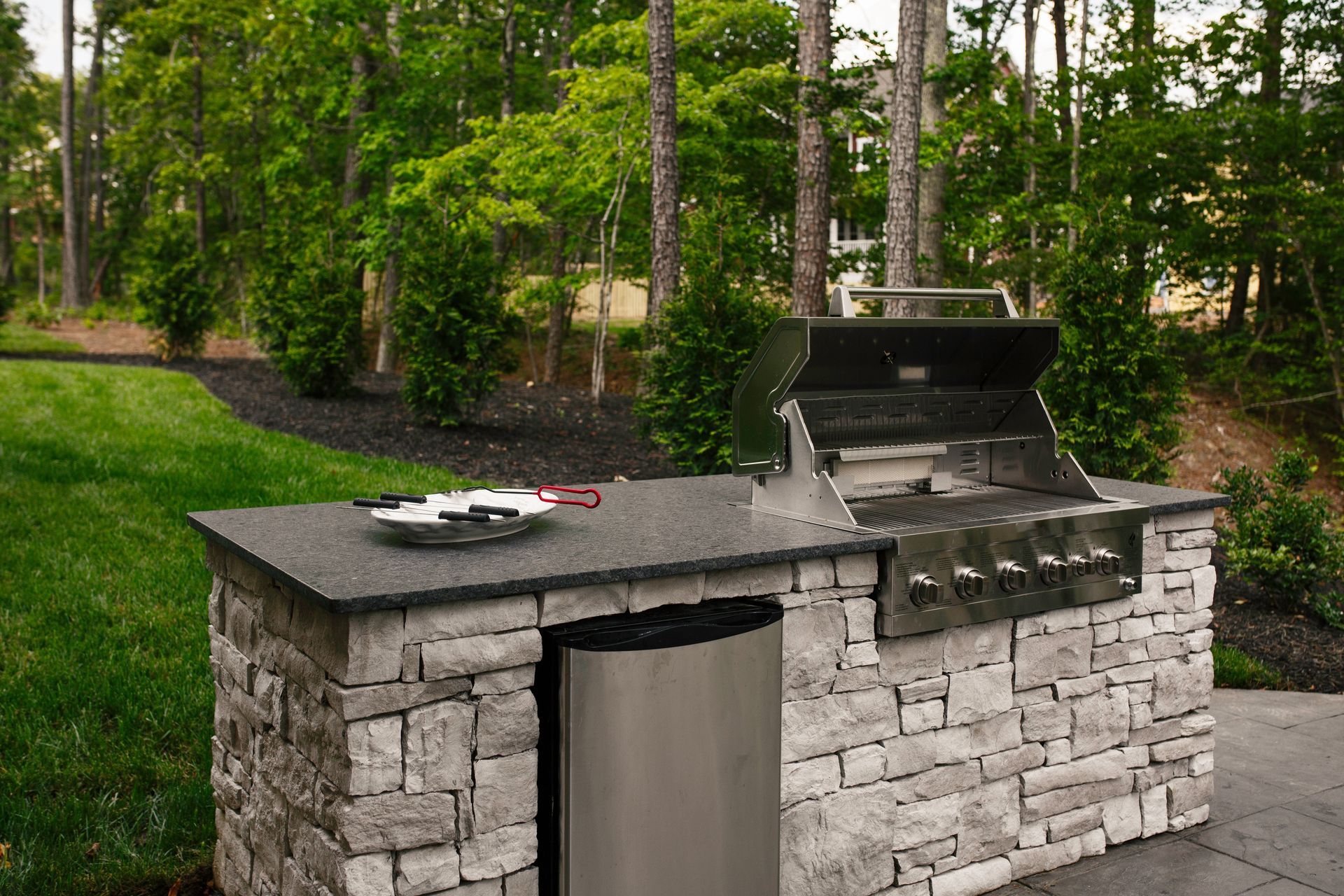
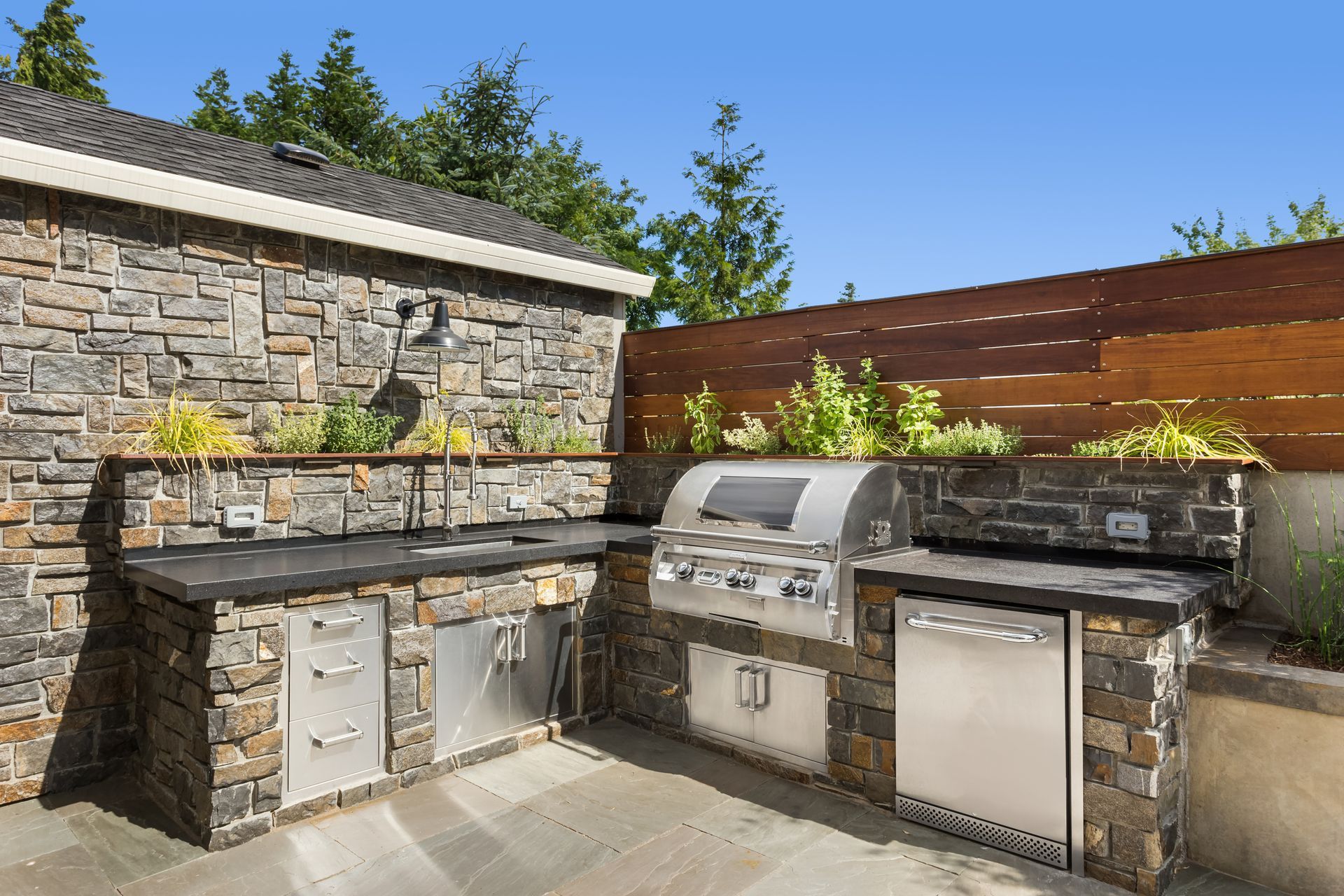
Preparing a massive Thanksgiving feast outside requires more than just dragging a fryer onto the patio. Natural Designs LLC works with homeowners to create dedicated cooking zones through our outdoor kitchen design service. Attempting to deep fry a large turkey near flammable siding or on an uneven surface is a major property hazard. Building a custom space specifically for heavy duty cooking keeps your home safe and makes holiday hosting much easier.
A successful outdoor build requires careful planning around high heat appliances and grease management. Many people rush out to buy premium cooking equipment without considering the foundational layout needed to support it. Knowing what to ask your contractor and how to spot poor building practices will save you from dangerous design flaws. Evaluating your space properly ensures your new cooking area handles holiday demands without putting your property at risk.
In This Article:
- Sizing and Spacing for Frying Stations
- Ventilation and Fire Safety Protocols
- Do you need a range hood for an outdoor kitchen?
- Red Flags to Watch for When Evaluating Providers
- Questions to Ask Your Contractor Before Booking
- Finalizing Your Holiday Cooking Setup
Sizing and Spacing for Frying Stations
Frying a turkey requires a large volume of boiling oil that spatters easily. A cramped layout forces the cook to stand too close to open flames and grease. In Lyle, Washington, we often see older outdoor setups placed far too close to wooden deck railings or overhanging roof eaves. You need a dedicated clearing with a stable masonry base to support the weight of the fryer and the bird safely.
- Dedicated Footing: Plan for a reinforced concrete or heavy stone paver pad that will not crack under concentrated weight or high heat.
- Buffer Zones: Leave at least three feet of clearance on all sides of the frying station to allow safe movement while handling hot oil.
- Grease Management: Choose dense, nonporous countertop materials nearby so that inevitable oil splatters wipe away easily without staining the surface permanently.
Ventilation and Fire Safety Protocols
Smoke and grease buildup present serious risks when cooking in a semi enclosed outdoor space. Trapped heat damages overhead structures and ruins exterior paint very quickly. Proper airflow is nonnegotiable when planning an outdoor kitchen that features high output burners or fryers.
Do you need a range hood for an outdoor kitchen?
You need a range hood for an outdoor kitchen if your cooking station is located under a covered patio, pergola, or any roof structure. A high capacity outdoor vent hood pulls heavy grease, smoke, and excess heat away from the ceiling materials. Without proper mechanical ventilation, corrosive grease will accumulate on the overhead beams and create an extreme fire hazard right above your cooking surface.
This focus on safety and careful planning is a pattern the team at Natural Designs LLC hears regularly from homeowners looking to upgrade their yards.
Breaking a complex build into logical phases guarantees that every safety feature is properly installed before the appliances are ever fired up.
Red Flags to Watch for When Evaluating Providers
Finding the right contractor is critical when dealing with gas lines and custom masonry. Not every landscaper has the technical background to build a safe outdoor kitchen. Paying attention to their initial proposal tells you a lot about their professional standards.
- Skipping Utility Permits: If a builder suggests running new gas or electrical lines without pulling the required local permits, immediately look for a different contractor.
- Ignoring Venting Panels: Masonry islands that house gas tanks or built in grills require metal venting panels to prevent explosive gas buildup.
- Vague Subbase Plans: A quote that does not explicitly detail the depth and material of the crushed rock foundation indicates a builder who cuts corners on structural integrity.
Questions to Ask Your Contractor Before Booking
Having a direct conversation with your potential builder clears up assumptions and sets a baseline for quality. Asking specific trade questions shows the contractor you expect a durable, code compliant build.
- Material Sourcing: Ask exactly what grade of stainless steel they specify for the cabinet doors to ensure it resists local weather conditions.
- Structural Reinforcement: Inquire about how they plan to reinforce the block walls of the island to handle the heavy weight of stone countertops.
- Hardscape Integration: Find out if their team also handles the surrounding hardscape design to ensure the patio base correctly ties into the kitchen foundation.
Finalizing Your Holiday Cooking Setup
A well planned outdoor kitchen turns a stressful holiday cooking chore into an enjoyable experience. By demanding proper ventilation and avoiding contractor red flags, you protect your home and your investment. Take the time to get the layout right before buying any appliances. Contact us today to start planning a safe and functional outdoor cooking space.
Share This Blog