Natural Stone vs Poured Concrete: Which Material Survives Winter?
Natural Designs • October 14, 2026
Winter weather brutally tests the structural integrity of every outdoor living area. Natural Designs LLC frequently inspects patios and retaining walls that have succumbed to the freezing cycle. Homeowners often struggle to choose between natural stone and poured concrete when planning a new hardscape design. Selecting the wrong material for a wet, freezing climate leads to rapid surface degradation and expensive replacement costs down the road.
Many property owners underestimate how aggressively trapped moisture destroys rigid surfaces. They assume all masonry products behave the same way under extreme temperature drops. The reality is that concrete and natural stone have very different tolerances for soil movement and ice expansion. Understanding how these materials actually perform in the cold helps you make a confident, lasting choice for your property.
Inside This Guide:
- The Harsh Reality of Winter Moisture on Masonry
- The Underestimated Risk of Poured Concrete Flaws
- How Natural Stone Pavers Handle the Freeze Cycle
- Frequently Asked Questions
- Making the Right Material Choice
The Harsh Reality of Winter Moisture on Masonry
Water is the enemy of all hardscaping when the temperature drops below freezing. Masonry materials are naturally porous, meaning they absorb rainfall and melting snow throughout the wet months. In Parkdale, Oregon, the cycle of freezing at night and thawing during the day happens constantly. When water inside the stone or concrete turns to ice, it expands by about nine percent.
This rapid expansion creates massive internal pressure that pushes against the rigid binders holding the material together. Over time, this pressure causes the top layer of the masonry to flake off in a process known as spalling. Once the smooth top layer is gone, the rough interior absorbs even more water, accelerating the decay of the entire slab.
→ A quick tip to remember: If you see the surface of your patio peeling or dusting off like sand, freeze damage has already compromised the internal structure.
The Underestimated Risk of Poured Concrete Flaws
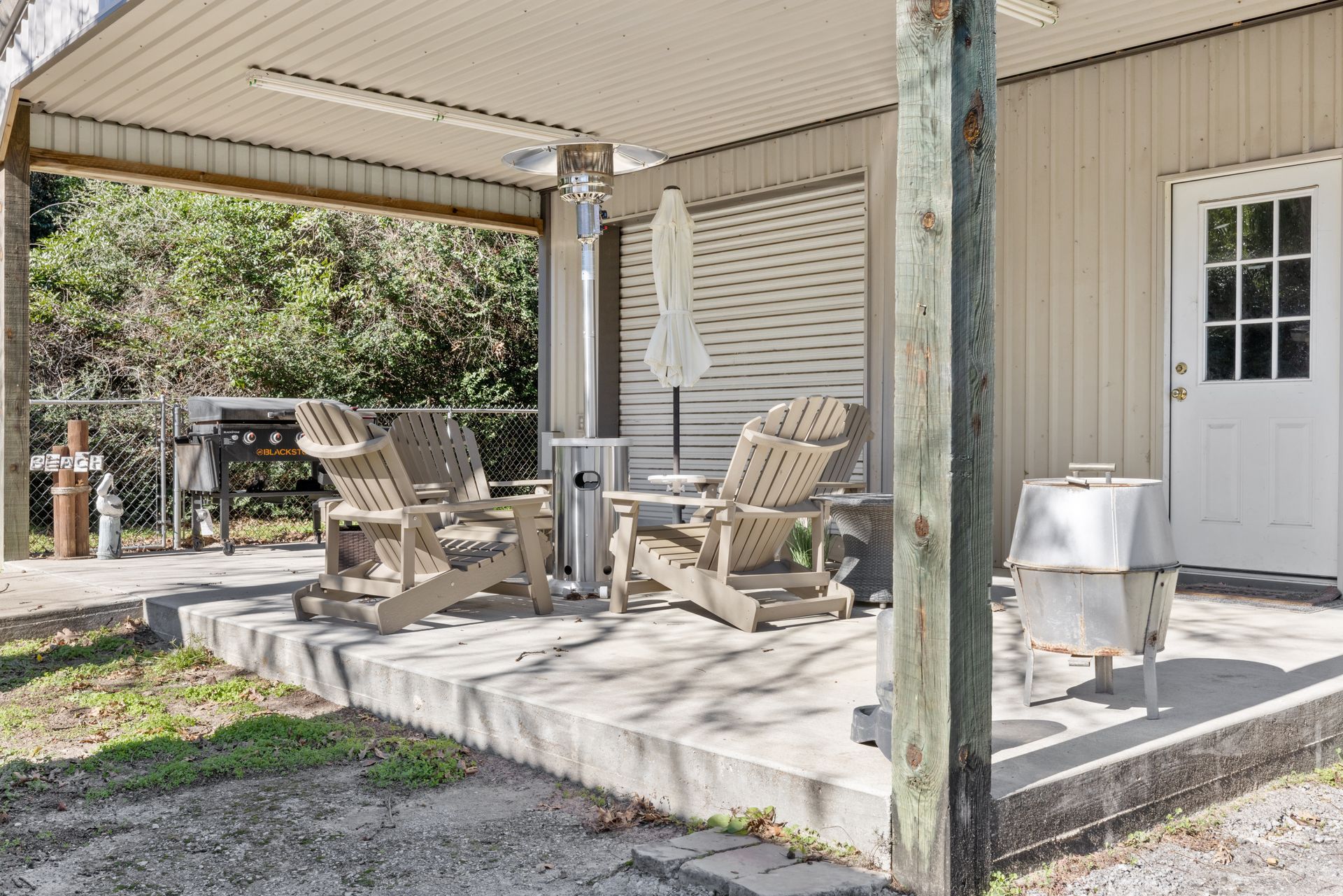
A common overestimation homeowners make is believing that a solid slab of poured concrete is invincible. Because it looks like one massive, heavy piece, people assume it will never shift. The truth is that a single, rigid slab has absolutely zero flexibility when the ground beneath it freezes and heaves upward. When the soil expands, the concrete has no choice but to snap under the tension.
Contractors try to control this by cutting expansion joints into the slab, hoping the concrete will crack inside those neat lines. However, water easily pools in those joints, freezes, and forces the crack to travel across the main face of the patio. Once a concrete slab cracks unevenly, you cannot simply patch it to look new again. The entire section must be broken out with heavy machinery and poured again from scratch.
→ From a professional standpoint: A poured concrete slab is only as stable as the compacted dirt beneath it, and local soil inevitably shifts during a hard winter.
How Natural Stone Pavers Handle the Freeze Cycle
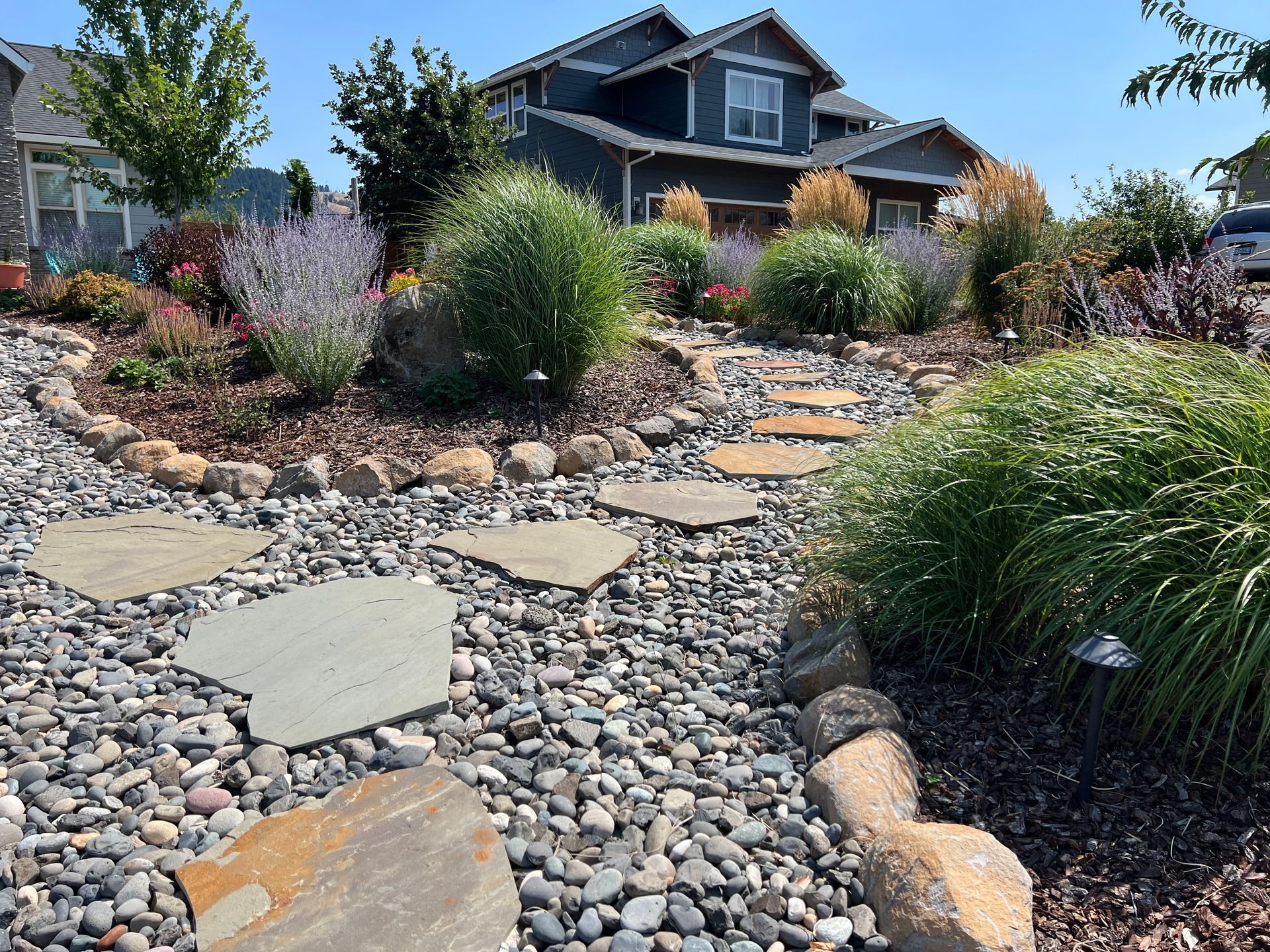
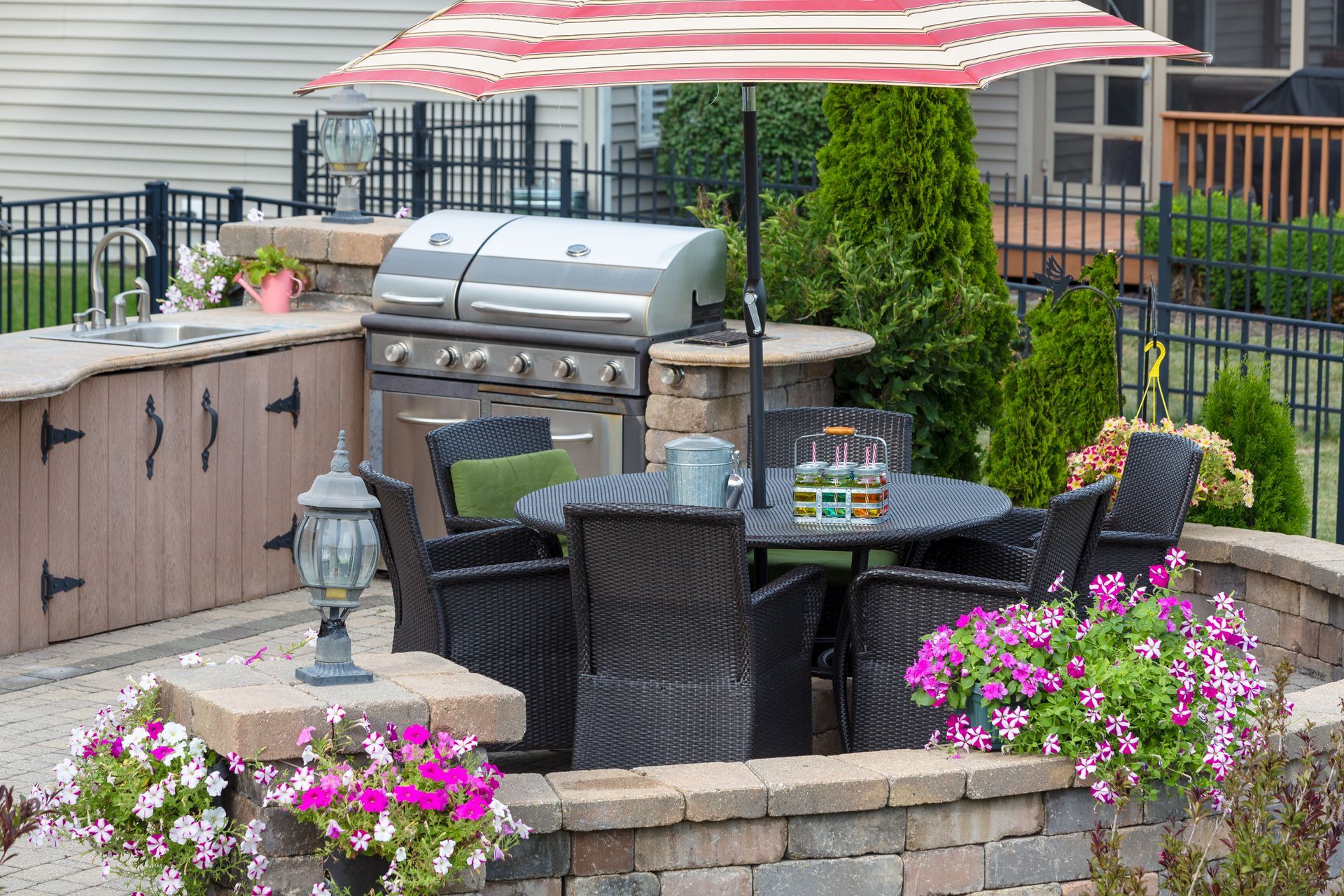
Natural stone pavers and high density concrete pavers offer a significantly different approach to winter survival. Instead of pouring one massive, rigid slab, a paver patio consists of hundreds of individual pieces set into a flexible bedding layer. This modular design allows the entire patio to flex and move slightly as the ground heaves from frost. The joints between the stones act as pressure relief valves.
If a severe freeze does manage to shift a section of the patio, the repair process is simple and localized. You do not have to destroy the entire outdoor living space design. A professional can easily pull up the affected stones, re-level the base rock underneath, and set the exact same stones back into place. Natural stone also boasts an incredibly high density, meaning it absorbs far less water than a standard concrete pour.
→ A quick tip to remember: Choosing a dark colored natural stone helps melt snow faster by absorbing the weak winter sunlight during the day.
Frequently Asked Questions
Does flagstone crack in the cold?
Quality flagstone is incredibly dense and resists cracking from cold weather much better than standard concrete. It has survived in natural freezing environments for millions of years. The primary reason a flagstone piece breaks is not the temperature itself, but rather a poorly compacted gravel base that leaves the stone unsupported when weight is applied.
Is concrete cheaper than natural stone pavers?
Poured concrete often has a lower initial installation cost because it takes less time to place than individual stones. However, the long term cost of concrete is usually higher. When concrete inevitably cracks from winter heaving, the repair requires expensive demolition, whereas natural stone pavers can be adjusted individually at a fraction of the cost.
How do I stop my concrete patio from cracking?
You cannot entirely stop concrete from cracking because it is a rigid material sitting on an active soil base. The best prevention involves hiring a professional to excavate deeply and install a heavily compacted, thick gravel subbase before pouring. Applying a high quality silane siloxane penetrating sealer before winter also blocks the water absorption that leads to freeze expansion.
Making the Right Material Choice
Selecting a hardscape material based solely on the initial price tag often leads to frustration after a single harsh winter. Understanding how natural stone provides necessary flexibility saves you from the headache of cracked concrete. Make a choice that stands up to the reality of local weather conditions. Contact us today to discuss the most durable hardscape materials for your upcoming project.
Share This Blog